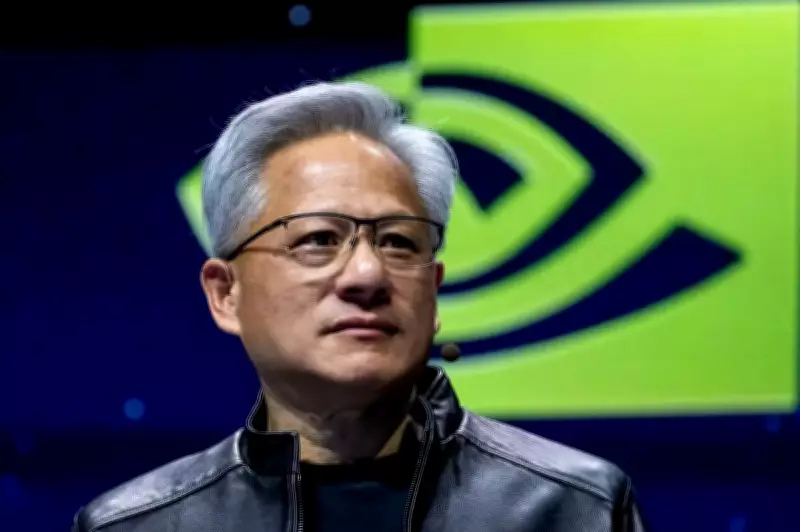
Nvidia CEO Jensen Huang has a proposal for cooling down the US-China AI arms race: talk to each other. In a wide-ranging April 15 conversation on the Dwarkesh Podcast, Huang said the single most glaring gap in the current standoff between the two superpowers isn't chips, energy, or even algorithms—it's communication. Unlike the supply chain bottlenecks he spends most of his time solving, this one has no technical fix.
Huang Calls for Direct Scientific Exchange
"It is essential that our AI researchers and their AI researchers are actually talking," Huang said. "It is essential that we try to both agree on what not to use the AI for." He called the absence of that dialogue "glaringly missing" given today's adversarial posture between Washington and Beijing—and suggested that no export control policy can substitute for the kind of direct scientific exchange that used to exist between the two countries during less fraught times.
Why Huang Thinks Chip Export Debate Misses the Point
The comments came during a heated back-and-forth with host Dwarkesh Patel over whether selling AI chips to China poses a national security risk to the United States. Patel cited Anthropic's Claude Mythos model—which the company says found thousands of high-severity vulnerabilities across every major operating system—as evidence that compute in the wrong hands is a weapon. Huang pushed back hard. He argued that China already has what it needs: abundant energy, massive chip manufacturing capacity, and roughly 50% of the world's AI researchers. "When you have an abundance of energy, it makes up for chips," he said. The idea that export controls alone can hold China back, in his view, is dangerously naive.

He also called out what he sees as a slow-motion own goal by the US. China now holds about 41% of its domestic AI chip market, up from near zero before sanctions. Nvidia's share in China has fallen from 95% to around 55%, according to IDC data reported in April 2026. Huawei shipped roughly 812,000 AI chips in 2025 alone—a record year for the company.
The Real Risk: Two Separate AI Ecosystems
Huang's deeper concern isn't the next cyber exploit. It's the long game. If Chinese AI models—many of them open source—end up optimized for Huawei hardware rather than Nvidia's CUDA stack, the American tech standard loses its grip on global AI development. "It would be extremely foolish to create two ecosystems," he said—one open-source running on Chinese chips, one closed running on American ones. "I think that would be a horrible outcome for the United States."
Huang and Anthropic CEO Dario Amodei Remain Far Apart on China
Anthropic CEO Dario Amodei compared chip sales to China to "selling nuclear weapons to North Korea" in a January 2026 essay. When Patel put that line to Huang directly, the Nvidia CEO didn't mince words: "Comparing AI to anything that you just mentioned is lunacy." Huang's solution isn't to give China a free pass. It's to stay ahead on technology, flood the US with compute first, and build the kind of international research dialogue that might keep the most dangerous AI capabilities off the table—for everyone.