OpenAI Faces User Revolt Over Controversial Pentagon Agreement
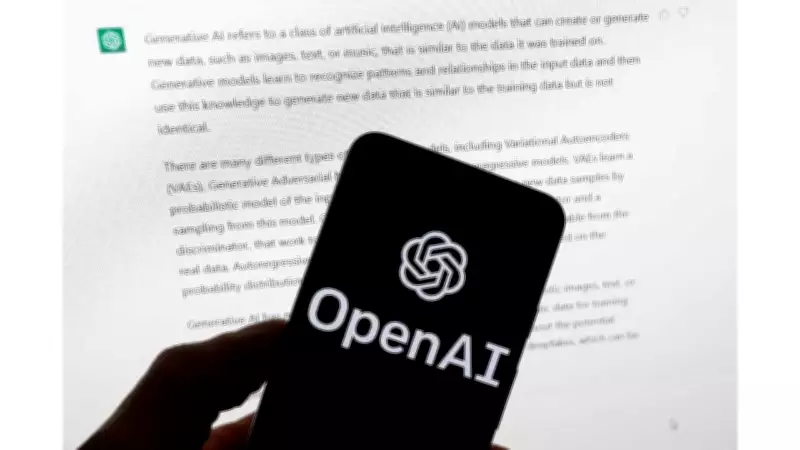
Sam Altman-led OpenAI has entered into a significant agreement with the US Department of War to deploy its advanced artificial intelligence technology on the department's classified network. This strategic partnership, however, has ignited immediate and substantial backlash from the AI company's user base, raising serious questions about the ethical boundaries of commercial AI deployment in military contexts.
Widespread User Backlash and Subscription Cancellations
The controversy has manifested most visibly on social media platforms, where thousands of ChatGPT users have taken to Reddit to express their discontent. Numerous posts have emerged with users claiming they are canceling their ChatGPT Plus subscriptions in protest of what they perceive as OpenAI's complicity in military applications. The movement has gained significant traction, with posts accumulating thousands of upvotes and sparking heated discussions about corporate responsibility in the AI sector.
One particularly viral post titled "You're now training a war machine. Let's see proof of cancellation" captured the sentiment of many disillusioned users. Another highly upvoted contribution declared "Time to cancel ChatGPT Plus after three Years. Anthropic got nuked for having ethics, and Sam Altman instantly swooped in for the Pentagon bag," highlighting the perceived ethical contrast between OpenAI and its competitor Anthropic.

The Anthropic Comparison and Ethical Irony
The backlash has been intensified by comparisons to Anthropic's earlier stance on AI safety. Aidan Gold, an X user, detailed what many see as a profound irony in OpenAI's actions. According to Gold's analysis, Anthropic had previously refused to work with the Department of War unless they could guarantee their technology wouldn't be used for surveillance or lethal purposes. When the department insisted on full capabilities, Anthropic declined access entirely.
Gold's post continued: "OpenAI stood by Anthropic for ensuring AI safety. Trump then cancelled all Anthropic usage across the government, including a $200m contract. OpenAI then submits a bid to replace Anthropic." This narrative has been widely circulated, with another user satirizing the situation: "11:59 We stand in solidarity with Anthropic. 12:00 Actually this contract looks very promising. 12:01 hey investors you guys wanna hop in this train? we are making some killer bots."
Sam Altman's Defense and Safety Guarantees
In response to the mounting criticism, OpenAI CEO Sam Altman has pushed back vigorously, defending the company's decision while addressing ethical concerns directly. Altman insists that OpenAI's agreement with the Department of War includes stronger safety guardrails than those Anthropic refused to accept before being blacklisted from government contracts.
In a detailed blog post published on Saturday, February 28, OpenAI shared specific excerpts from its contract language to demonstrate its commitment to ethical boundaries. The company highlighted clauses that explicitly prohibit several concerning applications of its AI technology within the military context.
Key prohibitions outlined in the agreement include:
- Mass domestic surveillance operations
- Fully autonomous weapons systems without human oversight
- High-stakes decision systems such as social credit scores
The blog post elaborated: "We think our agreement has more guardrails than any previous agreement for classified AI deployments, including Anthropic's. We retain full discretion over our safety stack; we deploy via the cloud; cleared OpenAI personnel are in the loop; and we have strong contractual protections. This is all in addition to the strong existing protections in U.S. law."
Broader Implications for AI Industry Ethics
This controversy represents a significant moment in the ongoing debate about commercial AI companies' responsibilities when engaging with military and government entities. The user backlash against OpenAI demonstrates growing public awareness and concern about how advanced AI systems might be deployed in sensitive contexts.

The situation also highlights the competitive dynamics within the AI industry, where ethical stances can have substantial business consequences. While Anthropic's principled refusal of certain military applications cost them significant government contracts, OpenAI's willingness to engage with the Department of War under specific conditions has now triggered its own substantial backlash from its consumer user base.
As the AI industry continues to mature, this episode suggests that companies will face increasing pressure to balance commercial opportunities with ethical considerations, particularly when those opportunities involve military or surveillance applications. The substantial user reaction indicates that for many consumers, ethical boundaries in AI development and deployment are becoming non-negotiable considerations in their support of technology companies.