In a significant development for the artificial intelligence sector, OpenAI has successfully secured a contract with the Pentagon to deploy its technology on the Department of War's classified network. This agreement marks a pivotal shift for the ChatGPT-maker, which had previously focused solely on non-classified work, and comes as the resolution to a tense standoff between the Department and rival AI firm Anthropic.
Timing and Negotiations of the Pentagon Deal
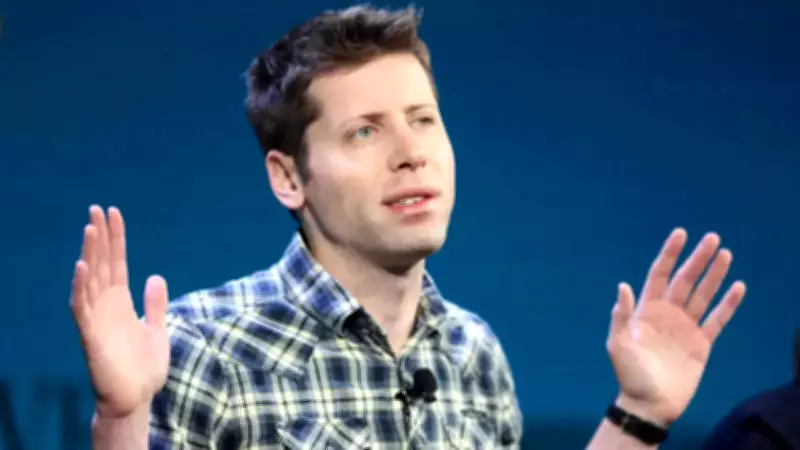
OpenAI CEO Sam Altman addressed the timing of the announcement, which closely followed a deadline given to Anthropic, clarifying that discussions with the Pentagon had been ongoing for many months. "We started talking with the DoW many months ago about our non-classified work," Altman stated. "This week things shifted into high gear on the classified side. We found the DoW to be flexible on what we needed, and we want to support them in their very important mission."
Altman emphasized that the rush to finalize the deal was driven by a desire to de-escalate the situation, which he described as dangerous for Anthropic, healthy competition, and the United States. He revealed that negotiations ensured similar terms would be offered to other AI laboratories, promoting fairness in the industry.

Altman's Message to Silicon Valley on Government Partnerships
In a pointed address to the technology industry, Sam Altman pushed back against what he characterized as double standards within Silicon Valley regarding government collaboration. He highlighted the contradiction in tech giants warning the government about falling behind China in AI development while refusing to assist due to ethical concerns.
"Our industry tells them 'The technology we are building is going to be the high order bit in geopolitical conflict. China is rushing ahead. You are very behind,'" Altman said. "And then we say 'But we won't help you, and we think you are kind of evil.' I don't think I'd react great in that situation."
Altman expressed empathy for the Department of War, describing its personnel as dedicated individuals with a critical mission. While acknowledging that unelected leaders of private companies should not wield excessive power, he asserted the necessity of supporting democratically elected government institutions in national security matters.
Guardrails and Contractual Protections in the Agreement
OpenAI has clarified that its contract with the Pentagon includes stringent guardrails on the use of its AI technology, which the company claims exceed those in any previous agreement for classified AI deployments, including Anthropic's. The Department of War enforces three red lines:
- OpenAI technology cannot be used for mass domestic surveillance.
- It cannot direct autonomous weapons systems.
- It cannot be employed for high-stakes automated decisions.
"In our agreement, we protect our red lines through a more expansive, multi-layered approach," OpenAI explained. "We retain full discretion over our safety stack, we deploy via cloud, cleared OpenAI personnel are in the loop, and we have strong contractual protections."
The AI company cautioned that any breach of these terms by the U.S. government could trigger contract termination, though it added, "We don't expect that to happen." This framework aims to balance national security needs with ethical considerations in AI deployment.
Background and Industry Implications
The contract award follows a period of intense scrutiny and competition within the AI sector, particularly regarding government partnerships. OpenAI's entry into classified work represents a strategic expansion, moving beyond its initial focus on non-classified applications. This development underscores the growing importance of AI in defense and geopolitical strategy, as nations like China advance rapidly in the field.
Altman's remarks reflect broader tensions in the tech industry, where companies often grapple with the ethical implications of collaborating with military and government agencies. By securing this deal, OpenAI positions itself as a key player in national security AI, potentially setting a precedent for other firms to follow.

The agreement also highlights the Department of War's efforts to modernize its capabilities through cutting-edge technology, leveraging private sector innovation to maintain competitive advantage. As AI continues to evolve, such partnerships are likely to become increasingly critical in addressing global security challenges.