Netanyahu Vows to Continue Strikes on Iran After Claiming 70% of Its Steel Industry Destroyed
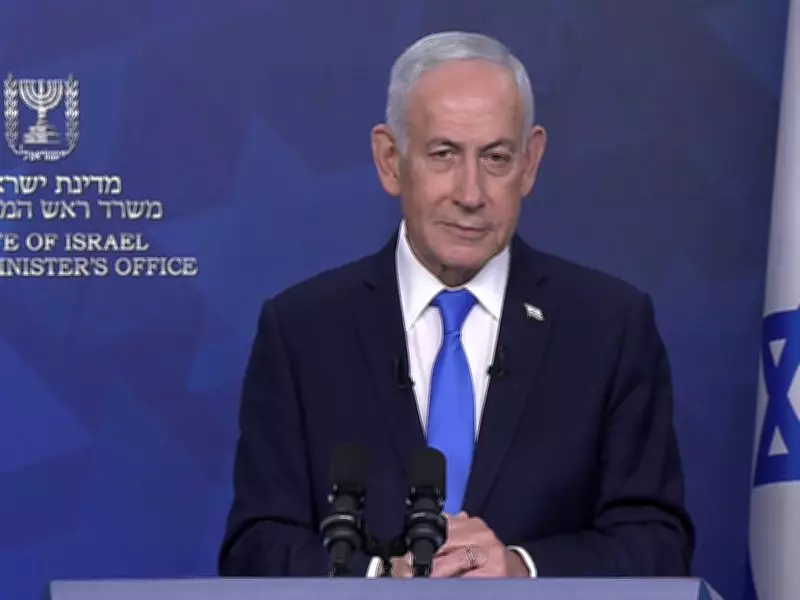
Israeli Prime Minister Benjamin Netanyahu has issued a stark declaration, vowing to persist with military strikes against Iran. This announcement follows his claim that recent Israeli operations have successfully destroyed approximately 70% of Iran's steel industry. The statement underscores a significant escalation in the long-standing conflict between the two nations, with Netanyahu emphasizing Israel's commitment to countering Iranian threats through direct action.
Details of the Strikes and Their Impact
According to Netanyahu, the targeted strikes have inflicted severe damage on Iran's industrial infrastructure, specifically focusing on steel production facilities. He asserted that this has crippled a substantial portion of Iran's steel manufacturing capacity, which is a critical component of its economy and military-industrial complex. The Prime Minister did not provide specific dates or locations for these attacks, but his remarks suggest a coordinated effort to undermine Iran's economic resilience and strategic capabilities.
The destruction of steel plants is seen as a strategic move, as steel is essential for various sectors, including construction, automotive, and defense. By targeting this industry, Israel aims to weaken Iran's ability to fund and support proxy groups in the region, such as Hezbollah and Hamas, which have been involved in conflicts with Israel. Netanyahu highlighted that these strikes are part of a broader strategy to prevent Iran from advancing its nuclear program and regional influence.

Regional and International Reactions
The vow to continue strikes has sparked widespread concern among international observers and regional players. Iran has condemned the attacks as acts of aggression, warning of potential retaliation. Other Middle Eastern countries, including Saudi Arabia and the United Arab Emirates, have expressed apprehension about the escalating tensions, fearing it could lead to a broader conflict in the already volatile region.
Global powers are closely monitoring the situation, with the United States and European Union calling for restraint. The Biden administration, while supportive of Israel's right to self-defense, has urged diplomatic solutions to avoid further destabilization. Meanwhile, Russia and China have criticized the strikes, advocating for peaceful dialogue and respect for sovereignty.
Implications for Future Conflict
Netanyahu's pledge signals a shift towards more aggressive tactics in Israel's approach to Iran. Analysts suggest that this could lead to:
- Increased military engagements between Israel and Iranian-backed forces in Syria and Lebanon.
- Economic repercussions for Iran, potentially exacerbating its existing challenges due to sanctions.
- Heightened risks of miscalculation that might trigger a larger-scale war, affecting global oil markets and security.
The Prime Minister's statement also comes amid domestic political pressures in Israel, where security issues are a top priority for the government. By taking a hardline stance, Netanyahu aims to bolster his image as a strong leader capable of protecting national interests against external threats.
Conclusion
In summary, Benjamin Netanyahu's vow to continue strikes on Iran, coupled with the claim of destroying 70% of its steel industry, marks a critical juncture in Middle Eastern geopolitics. As tensions rise, the international community watches anxiously, hoping to avert a full-blown conflict while navigating the complex dynamics of regional power struggles. The coming weeks will likely reveal whether this aggressive posture leads to further escalation or prompts renewed diplomatic efforts.