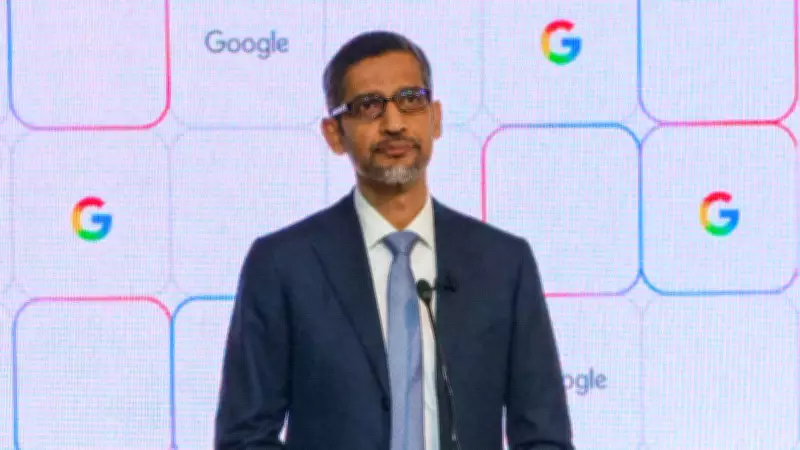
Sundar Pichai Defends Alphabet's Massive $185 Billion AI Investment for 2026
In a striking shift from his earlier cautionary tone, Alphabet and Google CEO Sundar Pichai has robustly defended the tech giant's colossal commitment of up to $185 billion in capital expenditure for 2026. This figure nearly doubles what industry analysts had initially projected, marking a bold move in the high-stakes artificial intelligence arena.
From Dot-Com Warnings to Infrastructure Optimism
Back in November, Pichai openly flagged "elements of irrationality" in the AI investment boom, drawing direct parallels to the dot-com era. He warned that no company, including Google, would be immune if the bubble burst. This candid admission was a rare moment from a Big Tech leader, highlighting concerns about potential overshooting in investment cycles.
Fast forward two months, and Pichai is now on the front foot, articulating why these massive numbers make strategic sense. Speaking on the sidelines of the India AI Impact Summit 2026 in Delhi, he framed the current AI spending spree not as a bubble, but as a transformative infrastructure buildout.

"This is the Industrial Revolution, but 10 times faster. In fact, larger," Pichai told moderator Debjani Ghosh, Distinguished Fellow at NITI Aayog. "I think the investment makes sense given the progress in the technology we are seeing and the opportunities we see on top of it."
Historical Analogies: Railroads Over Dot-Com Crashes
This time, Pichai reached for a different historical analogy. Rather than invoking the cautionary tale of the dot-com crash, he pointed to railroad expansion and the US national highway system. These were infrastructure bets that appeared exorbitantly expensive at the time but ultimately unlocked enormous economic value for generations.
This reframing comes at a critical juncture for Alphabet. When the company revealed its 2026 capex target in early February, shares plummeted more than 6% in after-hours trading. The market reaction underscored investor jitters about the sheer scale of expenditure.
Alphabet is not alone in this aggressive spending. The broader Big Tech landscape is witnessing unprecedented commitments:
- Amazon has pledged $200 billion in capex.
- Meta has committed up to $135 billion.
- Microsoft's capex bill is projected to exceed $97 billion.
Collectively, Big Tech is set to spend well over $600 billion on AI infrastructure this year alone, signaling a monumental industry-wide bet on the future of artificial intelligence.
Google Cloud's $240 Billion Backlog: The Core of Pichai's Argument
Pichai's defense is anchored in tangible, hard numbers. Google Cloud's backlog—representing future agreements for computing capacity—has doubled to a staggering $240 billion over the past year. This metric serves as a powerful indicator of anticipated demand and potential returns.
Supporting this optimism are several key performance indicators:
- Cloud revenue surged 48% year-on-year in the fourth quarter of 2025.
- Gemini, Google's advanced AI assistant, has crossed 750 million monthly active users.
- A landmark new deal to power Apple's redesigned Siri gives Alphabet access to over 2.5 billion devices globally.
"The backlog has doubled to $240 billion. So that shows the potential for return on the other side," Pichai emphasized during his Delhi appearance.
Investor Skepticism and the Pressure for Tangible Returns
Despite these compelling figures, investor skepticism persists. Alphabet's stock dipped approximately 2% the morning after Amazon's own massive capex announcement, reflecting market unease about the near-term profitability implications of a $600 billion-plus infrastructure buildout.
Pichai has consistently argued that Google's unique integrated position provides a strategic advantage. The company owns everything from its proprietary AI chips and YouTube's vast data reservoirs to frontier research conducted at DeepMind. This vertical integration, he contends, offers more leverage to navigate any potential turbulence than competitors might possess.

However, as the bills come due, the defining question of this unprecedented tech spending era remains: Will this logic hold? The pressure is intensifying for Alphabet and its peers to demonstrate real, substantial returns—moving beyond projections to deliver concrete financial outcomes that justify history's largest corporate investment cycle in emerging technology.