

Plush Toys in Space: The Unsung Heroes of Zero Gravity Indicators
Plush toys traveling into space may sound whimsical, but they have been a quiet yet integral part of human spaceflight for decades. Organizations like NASA and companies such as SpaceX often include small soft mascots inside spacecraft cabins. These objects, known as zero gravity indicators, begin to float once a spacecraft leaves Earth's gravitational pull and enters microgravity, offering astronauts an immediate visual cue about the environmental change.
The Tradition and Its Origins
The tradition dates back to early space missions, including Vostok 1, and has continued through lunar programs like Artemis II and modern commercial flights. What began as a practical idea has evolved into a familiar and consistent element across generations of space exploration, blending functionality with a touch of human connection in the vastness of space.
Notable Plush Mascots in Missions
Rise: Artemis II Mascot

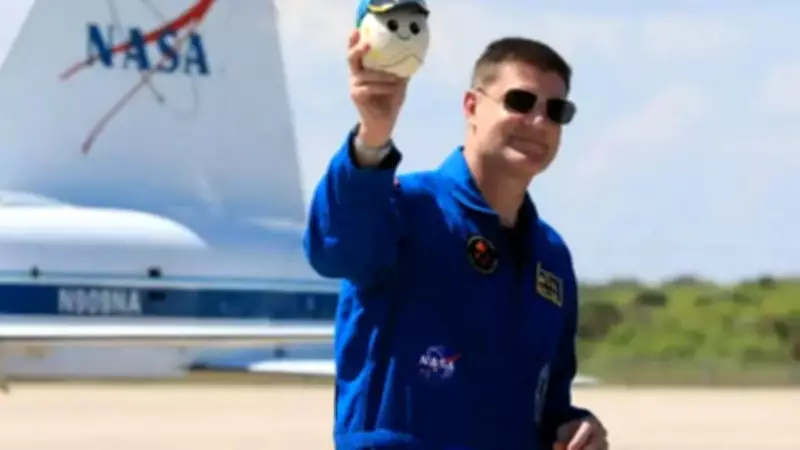
Rise is a white plush mascot selected for the Artemis II mission, designed by a young creator and featuring a hat decorated with Earth, galaxies, and rocket-themed details. Placed inside the spacecraft cabin alongside the crew, it serves a functional role during flight. When the spacecraft exits Earth's gravitational influence, Rise floats freely, providing clear visual confirmation of microgravity conditions. Its lightweight and easy-to-observe nature make it ideal for this purpose, continuing the long-standing practice of using visible indicators in spaceflight.
Baby Yoda: Commercial Crew Flight
According to Space.com, Baby Yoda was aboard a SpaceX mission to the International Space Station. This plush toy, popular due to its widespread recognition, was placed in the cabin before lift-off. During the trip, it acted as a microgravity indicator, floating as soon as the spacecraft entered orbit, notifying the crew of successful entry into microgravity. Its choice highlights the practicality of using recognizable toys to demonstrate gravity transitions informally.
Snoopy: Longstanding NASA Symbol
Snoopy has been linked to NASA since the late 1960s, involved in missions like Apollo 10 and evolving into part of NASA's spaceflight awareness campaigns. In plush form, Snoopy has served as a zero gravity indicator in many missions, floating in the cabin upon entering microgravity. Its continuous presence across various programs underscores its consistency and enduring role in space exploration traditions.
Shaun the Sheep: Artemis I Mission
As reported by BBC, Shaun the Sheep was included in the uncrewed Artemis I mission aboard the Orion spacecraft. The mascot was placed inside the capsule before launch and remained onboard throughout the journey around the Moon and back. Prior to the mission, it underwent training and familiarization activities across Europe and the United States for mission preparation and public engagement. In space, Shaun floated, acting as a zero gravity indicator and providing a simple visual reference for the transition into microgravity.
Tremor the Dinosaur: SpaceX Demo Mission
As reported by Space.com, Tremor the Dinosaur was carried aboard a SpaceX Crew Dragon demonstration mission. Featuring a sequined design, it was visually distinct inside the cabin. During the mission, Tremor served as a zero gravity indicator, floating freely upon reaching microgravity to confirm the change in gravitational conditions to the crew. Its reflective surface and bright appearance made it easy to observe, following the pattern of using small, lightweight objects for this purpose.
Significance of Plush Toys in Space
Plush animals might seem like fun objects, but their presence aboard spacecraft is deliberate. Used by entities like NASA and SpaceX, they act as zero-gravity detectors. When a spacecraft detaches from Earth's gravitational field, the toy floats, providing a visual indicator that zero gravity has been achieved. This movement helps astronauts confirm microgravity without relying heavily on technological means, offering a clear and intuitive communication method that has become a staple in space missions.
About the Author: TOI Science Desk

The TOI Science Desk is an inquisitive team of journalists delving into the realms of discovery to curate news, features, and articles from the scientific world. Committed to demystifying science and making it accessible, they serve as storytellers of scientific narratives, bringing readers on a journey where the mysteries of the universe unfold with precision and passion.





