Rare Crimson Auroras Illuminate Ladakh Skies: Solar Storm Creates Spectacular Display
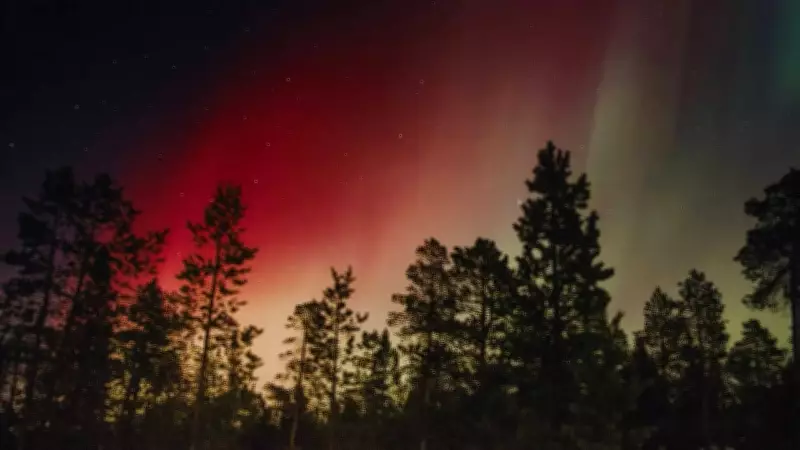
In an extraordinary celestial event, the typically dark skies of the Hanle Dark Sky Reserve in eastern Ladakh transformed into a breathtaking crimson canvas on the nights of January 19 and 20. This rare auroral phenomenon, typically unseen at such southern latitudes, created a spectacular visual display that captivated photographers, scientists, and skywatchers alike.
Solar Eruption Triggers Geomagnetic Storm
The stunning red auroras resulted from intense solar activity that began with a major eruption from the Sun on January 18, 2026. Our star unleashed an X-class solar flare, the most powerful category of solar explosions, which propelled a massive cloud of charged particles known as a Coronal Mass Ejection (CME) through space toward Earth.
When this CME reached Earth's magnetic field region around January 19-20, it triggered a significant G4-level geomagnetic storm. Such powerful storms can dramatically expand the auroral oval—the usual ring of auroral visibility near the poles—far toward equatorial regions. This expansion explains why locations like Hanle, situated far south of typical auroral zones, witnessed this dramatic crimson light show.

The Science Behind the Crimson Glow
Auroras occur when energetic solar particles collide with atoms in Earth's upper atmosphere, transferring energy that causes these atoms to glow in various colors. Oxygen, one of the primary atmospheric gases, typically emits green light at lower altitudes (commonly seen in polar regions) but produces red light at higher altitudes.
In the case of the Ladakh auroras, oxygen atoms at high altitudes were energized by incoming solar particles, resulting in the dramatic deep red color that captured everyone's attention. This type of aurora remains exceptionally rare at mid-latitudes, making the Hanle observations particularly unique and scientifically valuable.
Solar Storms: Beyond the Visual Spectacle
While auroras represent the most visually spectacular effects of geomagnetic storms, solar activity can significantly impact human technology and infrastructure:
- Satellite Disruptions: Solar storms can interfere with satellites in orbit, affecting electronic components, GPS accuracy, and communication signals
- Power Grid Vulnerability: Geomagnetic storms induce currents in long electrical conductors like power lines, potentially saturating transformers and causing power failures—as demonstrated during the Quebec blackout of 1989
- Communication Interference: High-frequency radio communications crucial for aviation, maritime operations, and emergency services can experience disruptions
- Navigation System Impacts: GPS and other satellite navigation systems may become unreliable due to ionospheric disturbances caused by solar activity
A Cosmic Reminder of Solar Power
The crimson skies over Hanle offered more than just a visual treat—they provided a powerful reminder of Earth's position within our solar system's dynamic environment. This natural phenomenon beautifully illustrated the intersection of science and wonder, demonstrating both the aesthetic beauty and raw power of solar activity.
For those fortunate enough to witness this rare event, it represented a unique cosmic spectacle. The Ladakh auroras served as a vivid demonstration of how solar phenomena can create unexpected beauty while simultaneously reminding us of the Sun's immense influence on our planet's environment and technological systems.