

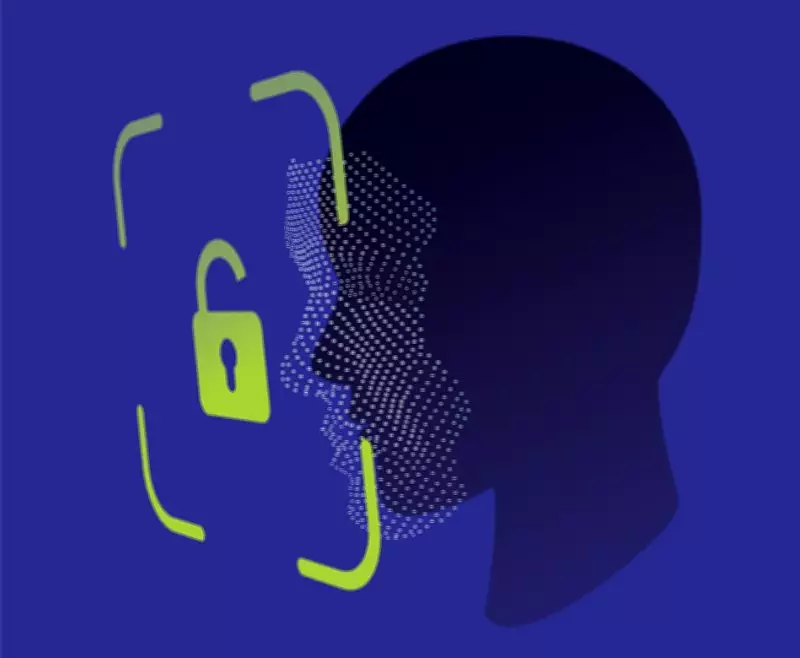
Real-time face authentication is emerging as a powerful digital gatekeeper, transforming how we secure access to devices, services, and sensitive data. Unlike traditional passwords or PINs, this technology uses facial recognition to verify identity in milliseconds, offering a seamless and secure user experience.
How Does Real-Time Face Authentication Work?
The process involves capturing a live image or video of a person's face and comparing it against a stored template using advanced algorithms. Key steps include:
- Face Detection: The system locates a face in the camera frame.
- Feature Extraction: Unique facial features such as the distance between eyes, nose shape, and jawline are mapped.
- Matching: The extracted data is compared with the enrolled template using machine learning models.
- Verification: If the match score exceeds a threshold, authentication is granted; otherwise, access is denied.
Liveness Detection: A Critical Layer
To prevent spoofing attacks using photos, videos, or masks, real-time systems incorporate liveness detection. This technology checks for signs of life, such as blinking, head movements, or subtle skin texture changes, ensuring that only a live person can authenticate.

Applications Across Industries
Real-time face authentication is being adopted in various sectors:
- Smartphones and Devices: Apple's Face ID and Android equivalents use it for unlocking and secure payments.
- Banking and Finance: Banks use it for mobile app login, ATM withdrawals, and fraud prevention.
- Healthcare: Patient identification and access to medical records are streamlined.
- Travel and Border Control: Airports deploy e-gates with facial recognition for faster immigration.
- Workplace Security: Offices use it for building access and time tracking.
Advantages Over Traditional Methods
- Convenience: No need to remember passwords or carry tokens.
- Speed: Authentication happens in under a second.
- Security: Biometric data is hard to replicate, and liveness detection prevents spoofing.
- Non-Intrusive: Works from a distance without physical contact.
Challenges and Concerns
Despite its benefits, real-time face authentication faces challenges:
- Privacy: Concerns about data storage and potential misuse of biometric data.
- Bias: Algorithms may perform poorly on certain demographics if not trained on diverse datasets.
- Security: While robust, sophisticated attacks like deepfakes pose new threats.
- Regulation: Varying laws across jurisdictions require careful compliance.
The Future of Face Authentication
Advancements in AI and 3D sensing are making systems more accurate and secure. Integration with other biometrics (multimodal authentication) and blockchain for decentralized identity management are promising trends. As technology evolves, real-time face authentication will become even more pervasive, balancing security with user privacy.
In conclusion, real-time face authentication is redefining digital security as an efficient and user-friendly gatekeeper. Its widespread adoption across industries underscores its potential to become the standard for identity verification in the digital age.






