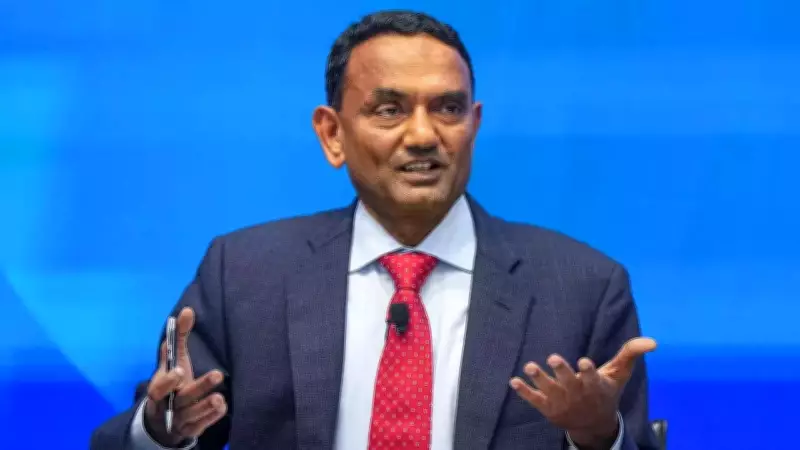
TCS CEO Embraces AI as Growth Opportunity Amid Industry Concerns
Tata Consultancy Services (TCS) CEO K Krithivasan has publicly stated that the company views artificial intelligence (AI) as a significant opportunity rather than a threat to employment. This perspective comes at a time when growing concerns about AI's potential impact on India's IT sector have created market uncertainty and investor anxiety.
Encouraging AI Adoption Despite Revenue Implications
Speaking at the Nasscom Technology and Leadership Forum in Mumbai this week, Krithivasan revealed that TCS is actively encouraging its employees to adopt AI tools to deliver services more efficiently and cost-effectively. According to a Reuters report, the CEO emphasized that this approach should be pursued even if it affects existing revenue streams.
"We are telling associates that if you find that you can do something faster, better, cheaper with AI, you should probably go and tell your customers, even if it cannibalises revenue," Krithivasan stated during the event. "We are not afraid this technology will take away our livelihood. We believe it is going to open up more, so you enjoy the benefits the more you do, and not by resisting the change."

Market Context and Industry Alignment
These remarks arrive during a period of significant market volatility for Indian IT companies. Investor concerns about AI disrupting the labor-intensive business model of Indian IT firms have reportedly erased approximately $68.6 billion in market value during February alone. The Nifty IT index has declined 21% this month, potentially marking its weakest monthly performance in nearly 23 years.
TCS's position aligns with that of competitor Wipro, whose chief strategist and technology officer, Hari Shetty, told Reuters that wider AI adoption is expected to create more jobs than it replaces. This shared perspective suggests a growing consensus among major IT players about AI's long-term potential despite short-term market challenges.
Recent Market Impact of AI Developments
The IT sector's concerns were amplified earlier this month when AI company Anthropic launched new tools capable of automating office work, triggering a significant market reaction. The release of a tool designed for corporate legal teams, which can handle tasks like contract review, legal document sorting, compliance paperwork management, and legal brief drafting, sparked investor fears about AI replacing human-performed work.
This development led to a substantial sell-off, with Indian IT stocks losing nearly Rs 1.9 lakh crore in total market value in a single day. Major companies experienced significant declines:
- Infosys and Mphasis dropped more than 7% each
- TCS, LTIMindtree, Coforge, and HCL Tech fell between 5% and 7%
- Wipro declined nearly 4%
The combined value of companies in the Nifty IT index fell below Rs 30 lakh crore during this period. The impact extended globally, with Nvidia and Microsoft each falling around 3%, while Alphabet and Amazon slipped between 1% and 2%.
Broader Industry Implications
More recently, IBM experienced significant market pressure when its shares recorded the steepest decline in 25 years. This followed Anthropic's announcement that its Claude Code tool could modernize COBOL, an older programming language extensively used in IBM systems. Traditionally requiring large teams and years of effort, this type of work can now be substantially accomplished through AI, according to Anthropic.
Krithivasan's comments represent a strategic positioning by TCS amid these industry-wide challenges. By framing AI as an opportunity for enhancement rather than a threat to employment, the company is advocating for proactive adaptation rather than defensive resistance. This approach acknowledges the transformative potential of AI while seeking to mitigate workforce concerns through upskilling and strategic implementation.
The contrasting perspectives between market reactions and corporate leadership highlight the complex relationship between technological advancement, market psychology, and long-term business strategy in India's crucial IT sector.