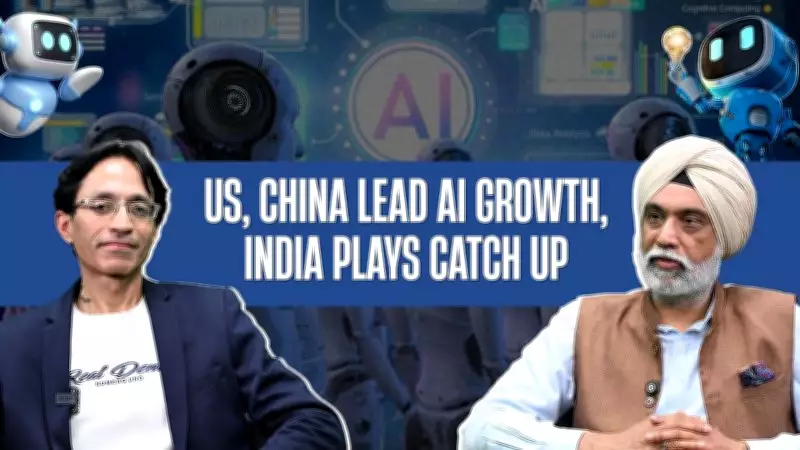
UN Envoy Calls for Inclusive AI Development Amid Global Leadership Race
In a significant address, United Nations envoy Amandeep Gill has emphasized the critical importance of fostering inclusive growth in artificial intelligence (AI). This call comes as the global AI landscape is increasingly dominated by the United States and China, with India actively working to catch up and secure a more prominent role in this transformative technology sector.
Global AI Leadership Dynamics
The current state of AI development reveals a stark divide in global leadership. The United States, with its robust tech industry and substantial investments in research, continues to set the pace in AI innovation. Similarly, China has made rapid strides, leveraging state-backed initiatives and a vast market to advance its AI capabilities. These two nations are at the forefront, driving much of the technological progress and setting standards that influence worldwide AI policies and applications.
In contrast, India, while making notable efforts, is still in the process of bridging the gap. The country has launched several initiatives to boost its AI ecosystem, including the National AI Strategy and collaborations between academia and industry. However, challenges such as infrastructure limitations, funding constraints, and skill gaps persist, hindering its ability to compete on an equal footing with the leading powers.

Urgent Need for Inclusivity in AI Growth
Amandeep Gill, representing the UN, has underscored that the benefits of AI must be distributed equitably across all nations and communities. He warned that without inclusive growth, AI could exacerbate existing inequalities, leading to a digital divide that marginalizes developing countries and vulnerable populations. The envoy stressed that global cooperation is essential to ensure AI technologies are developed and deployed in ways that promote fairness, transparency, and accessibility.
Key aspects of inclusive AI growth include:
- Ensuring diverse representation in AI research and development to avoid biases.
- Providing access to AI tools and education for underrepresented regions.
- Fostering international partnerships to share knowledge and resources.
India's Role and Challenges in the AI Race
India's journey in AI is marked by both ambition and obstacles. On one hand, the country has a thriving tech sector and a large pool of talent, with initiatives like the AI for All program aiming to democratize AI knowledge. On the other hand, India faces hurdles such as limited high-speed internet penetration in rural areas, regulatory uncertainties, and competition for investment with established AI hubs.
To enhance its position, India is focusing on areas like healthcare, agriculture, and governance, where AI can have a profound social impact. By leveraging its strengths in software development and a growing startup ecosystem, India aims to not only catch up but also contribute uniquely to the global AI narrative, aligning with the UN's vision of inclusive progress.
Future Outlook and Global Implications
The UN's advocacy for inclusive AI growth signals a broader shift towards more collaborative and ethical technology governance. As AI continues to reshape economies and societies, the role of international bodies like the UN becomes increasingly vital in setting guidelines that prioritize human welfare over mere technological advancement.
For India, this presents an opportunity to align its AI strategies with global standards, potentially positioning itself as a bridge between developed and developing nations in the AI discourse. The ongoing efforts by countries worldwide, including India, will be crucial in determining whether AI becomes a force for universal benefit or a source of further disparity.