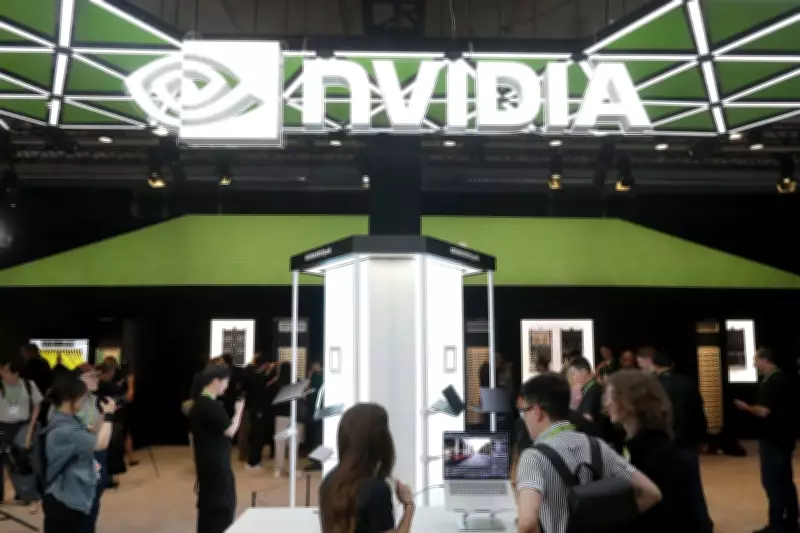
The US Commerce Department quietly posted a notice on its website on Sunday that closes a loophole Washington has been debating for a year. This loophole may have allowed hundreds of thousands of Nvidia's most powerful AI chips to reach Chinese companies through their offices in countries like Malaysia.
New Guidance on Export Licences
The Bureau of Industry and Security (BIS) stated that export licence rules in place since 2023 also apply to subsidiaries of China-headquartered firms operating outside Chinese borders. This clarification comes a year after the Trump administration scrapped the Biden-era AI Diffusion rule, leaving a gap that allowed Blackwell processors to slip through.
Timing of the Announcement
The guidance was posted the same weekend a paper circulated in Washington warning that "the floodgates have quietly opened," according to Reuters. The document had no listed author, but its message clearly reached the Commerce Department.

Background on Policy Reversal
When the Trump administration declined to enforce the AI Diffusion rule in May 2025, it was framed as cutting "burdensome new regulatory requirements." However, it left the question of overseas Chinese subsidiaries unresolved. Chip industry sources told Reuters that hundreds of thousands of advanced AI chips may have been shipped through this opening over the past year.
Chris McGuire, a former State Department official who worked on these controls under Biden, wrote on X that Chinese companies likely bought these chips at scale. Because BIS never specified what it was enforcing, all of it was legal.
Remaining Gaps in the New Guidance
The new BIS guidance fixes one issue but leaves two more open. BIS will now enforce licence requirements on advanced chips going to any entity headquartered in China, regardless of where the office is located. Nvidia stated that the guidance does not change its operations, noting that licences were always required to ship controlled products to PRC-headquartered companies. AMD, the other major AI chip maker affected, did not immediately respond to media requests.
The new notice still has gaps. It does not force data centres that already bought these chips to stop using or servicing them. It also does not tighten due diligence on TSMC and other foundries manufacturing the chips on Nvidia's behalf, leaving room for Chinese front companies to continue placing orders through Taiwan.
Impact on Nvidia's China Business
The crackdown comes at an awkward time for Nvidia's China business. Trump cleared the company to sell its H200 chip to Chinese firms in December 2025, but Beijing has steered its AI players toward domestic chipmakers Huawei and Cambricon. Not a single H200 has been bought since the approval. The Blackwell, Nvidia's flagship and a clear step ahead of Chinese rivals, remains formally off-limits to China. Whether it actually was until this weekend is now the question Washington wants closed.
About the Author
TOI Tech Desk
The TOI Tech Desk is a dedicated team of journalists committed to delivering the latest and most relevant news from the world of technology to readers of The Times of India. Their coverage spans gadget launches, reviews, trends, in-depth analysis, exclusive reports, and breaking stories that impact technology and the digital universe, including AI, cybersecurity, personal gadgets, and platforms like WhatsApp, Instagram, and Facebook.