Waymo Co-CEO Forecasts Job Creation in Autonomous Vehicle Era
Tekedra Mawakana, co-CEO of Google-owned autonomous vehicle company Waymo, has made an optimistic prediction about the future of driverless cars, emphasizing that the shift toward autonomous mobility will generate new types of employment rather than eliminate existing jobs. This announcement comes as robotaxis continue to expand their presence across American cities and internationally, sparking debates about the impact on the workforce.
Transitioning Human Roles in the Autonomous Ecosystem
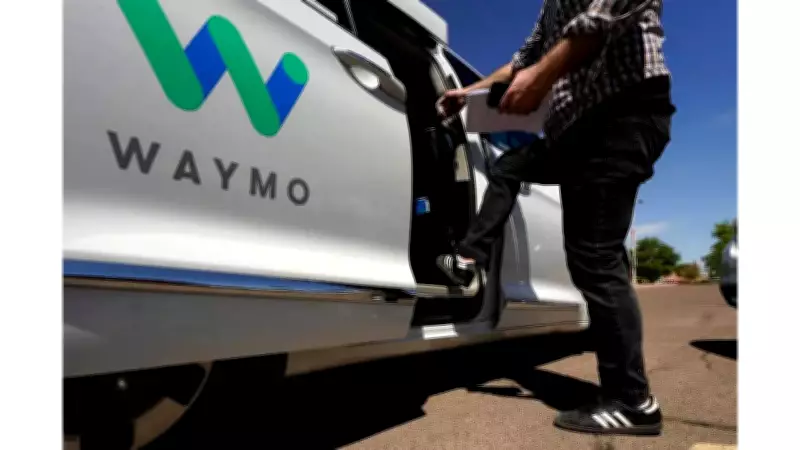
In an interview with The New York Times, Mawakana explained that while human drivers may no longer be behind the wheel, workers are still essential across various sectors of the autonomous vehicle industry. She highlighted roles in operations, maintenance, and infrastructure development as key areas where human involvement remains critical.
"Humans are still rotating those tyres and working on those vehicles. We have fleet operators and fleet technicians. All of our fleets are fully electric. Those charging companies are building the infrastructure, putting them in city centres, pulling those wires from the utility company," Mawakana stated. She emphasized that the transition to autonomous systems is shifting human roles rather than removing them entirely, with workers increasingly engaged in backend operations such as fleet management, maintenance, and charging infrastructure.

Mawakana added, "Now that we’ve been in a few markets for a few years, it’s great to be able to see that we haven’t eliminated jobs in those markets." This perspective challenges common concerns about job losses due to automation, particularly in the ride-hailing and gig economy sectors.
Waymo's Growth and Workforce Development Initiatives
Waymo, which originated as a self-driving car project under Google, has evolved into a major autonomous vehicle operator in the United States. The company currently operates services in at least 10 cities with a fleet of approximately 3,000 robotaxis, competing with rivals like Tesla and Zoox. To support workforce development, Waymo has introduced initiatives such as funding tuition scholarships for technicians in the US and partnering with Bronx Community College to establish an automotive technology program focused on future mobility needs.
Justin Kintz, Waymo's global head of public policy, told Fortune that the company's investments in infrastructure and service expansion are contributing to job creation across various skill levels. "create opportunities for Americans of all backgrounds, by bringing a wide variety of new, non-college and trades-work roles to communities around the U.S.," Kintz said. Waymo maintains that its operational model relies on a combination of automation and human support, with roles evolving alongside technological advancements rather than disappearing.
Industry Trends and Projections on Autonomous Vehicles
The move toward increased automation is evident in multiple sectors, from warehouses to food service, where machines and AI systems are taking over repetitive tasks. Driverless taxis represent a significant component of this transformation, becoming more prevalent but still facing scrutiny regarding their impact on employment. Uber CEO Dara Khosrowshahi has suggested that most rides could eventually be handled by automated systems, indicating a potential shift in the ride-hailing industry as self-driving cars become more common.
A 2025 Goldman Sachs report projects that the number of robotaxis in the US could surge from 1,500 in 2025 to about 35,000 by 2030, potentially capturing 8% of the ride-share market. However, public sentiment remains cautious; an analysis of Pew Research Center data by the University of California, San Diego, reveals that approximately 85% of people anticipate job losses, and 70% express uncertainty or concern about the technology.
Despite these apprehensions, projections from the Chamber of Progress indicate that deploying 9 million autonomous vehicles over 15 years could create more than 114,000 jobs in production, maintenance, and repair. The study estimates that about 190 workers would be needed for every 1,000 AVs produced and deployed annually, highlighting the potential for job growth in supporting industries.

Global Perspectives and Preparations for New Roles
Companies worldwide are preparing their workforces for emerging roles in the autonomous vehicle sector. For instance, Grab co-founder and CEO Anthony Tan announced plans to introduce robobuses in Singapore while exploring ways to upskill drivers. "We see new kinds of jobs emerging. For example, drivers could be remote safety drivers, data labellers; they could change LiDARs, cameras, and so forth," Tan explained. This approach underscores a broader industry trend toward retraining and adapting to new technological demands.
As robotaxis become more integrated into urban landscapes, discussions about their reliability and safety persist among drivers and passengers. Waymo's emphasis on job creation and role evolution offers a counter-narrative to fears of widespread unemployment, positioning autonomous vehicles as a catalyst for economic opportunity rather than a threat to livelihoods.