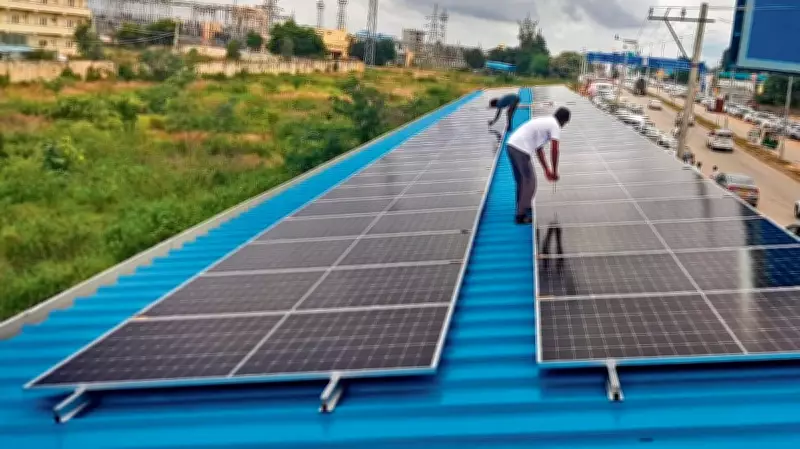
India's solar energy sector has witnessed remarkable growth in recent years, but the benefits are not translating into expected outcomes. On June 6, 2026, the average power price up to 5 PM stood at a mere Rs 1.22 per kilowatt-hour (kWh), with near-zero prices observed across multiple time blocks. This trend underscores the challenges of integrating large-scale solar capacity into the grid.
Price Collapse and Grid Stress
The sharp decline in solar power prices, often falling to zero or negative levels during peak generation hours, is a double-edged sword. While it reduces electricity costs for consumers, it also strains the grid and discourages new investments. The lack of adequate storage infrastructure means excess solar power often goes to waste, while thermal plants are forced to ramp down, leading to inefficiencies.
Key Issues Behind the Disconnect
- Inadequate Storage: India's battery storage capacity remains insufficient to absorb surplus solar power during the day for use at night.
- Grid Infrastructure: The transmission network is not fully equipped to handle the variability of solar generation, causing curtailment in some regions.
- Policy Gaps: Despite ambitious targets, policies promoting round-the-clock renewable energy and storage have been slow to materialize.
- Market Design: The current power market structure does not adequately compensate solar generators for the value of clean energy, leading to price crashes.
Impact on Industry and Economy
The low prices have benefited industries with high daytime power consumption, but they have also squeezed solar project developers, many of whom are struggling with profitability. The situation highlights the need for a holistic approach that includes storage mandates, flexible grid operations, and revised tariff structures.

Way Forward
Experts suggest that India must accelerate investments in pumped hydro and battery storage, upgrade grid infrastructure, and implement time-of-day tariffs to better align supply and demand. Without these measures, the solar boom may not deliver the expected economic and environmental benefits.