Missouri may appear tranquil with its forests, rivers, and suburban neighborhoods, but beneath that calm exterior lies one of the most snake-diverse states in the US. The combination of wetlands, woodlands, farmland, and urban areas creates ideal conditions for snakes to thrive. Whether you are in St. Louis or the Ozarks, encountering these slithering creatures is common, especially during warmer months.
Why Does Missouri Have So Many Snakes?
According to the Missouri Department of Conservation, the state's geography is the primary reason. Located at the crossroads of eastern forests, central grasslands, and southern wetlands, Missouri offers a variety of habitats. Warm summers allow snakes to hunt longer, while mild springs and falls extend their breeding and feeding periods. Additionally, the state's numerous rivers, hills, abandoned farms, and dense brush provide perfect spots for snakes to rest, find food, and stay hydrated.
Common Backyard Snakes in Missouri
A study from the National Institutes of Health notes that Missouri is home to over 40 snake species, but only a few are commonly seen near homes. One of the most frequently encountered is the Eastern Garter Snake, a harmless and adaptable species often found in gardens and grassy areas. It feeds on insects, worms, and small amphibians and is often mistaken for more dangerous snakes due to its striped appearance.

The black rat snake is another common resident. It can grow quite large and is often spotted near barns or wooded areas. Despite its size, it is non-venomous and plays an important role in controlling rodent populations.
Venomous Species That Attract Most Attention
The Eastern Copperhead is one of the most widespread venomous snakes in the state. It is known for its copper-colored body and camouflage that blends perfectly with fallen leaves. It often stays motionless, making accidental encounters more likely during gardening or hiking.
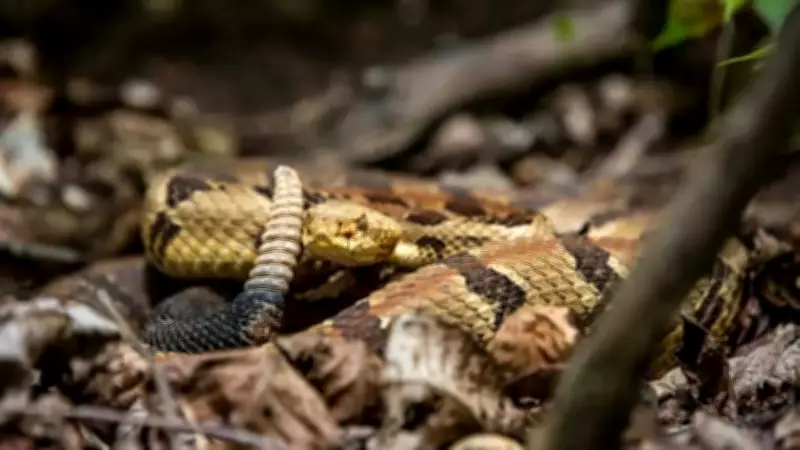
Missouri is also home to the Timber Rattlesnake, typically found in forested and rocky regions, and the Cottonmouth (Water Moccasin), which prefers wetland areas, swamps, and slow-moving streams in the southern parts of the state.
Where Most Snake Encounters Happen
Places like garden sheds and sunny patios in backyards are perfect for snakes seeking warmth and mice. In rural areas, farmers often encounter them in fields and barns. Missouri's rivers also serve as fantastic resting spots for Cottonmouths, Copperheads, and Timber Rattlers.
Encounters are increasing due to urban expansion into green spaces and changing climate. Warmer, humid weather draws cold-blooded snakes out to bask and hunt. As rodent populations rise around towns and farms, snakes follow, seeking easy meals that lead them into basements and garages.
It is important to note that most snakes prefer to avoid humans. Their typical response is to freeze or flee. Bites usually occur when someone accidentally steps on a snake or tries to handle it. However, it is best not to take risks with venomous species.
Ecological Importance of Snakes
Though they may frighten some people, snakes play a vital role in the ecosystem. Copperheads and timber rattlers help control critters that damage crops and spread disease. Without them, rodent problems would skyrocket.
Tips for Peaceful Coexistence
To live safely alongside these reptilian neighbors, take simple precautions: keep lawns tidy, store wood away from the house, seal gaps in foundations, and clear out junk piles where snakes might hide. When exploring outdoors, stick to paths, wear sturdy shoes, and avoid reaching into unseen spots. If you encounter a snake, give it space and call an expert for safe removal if necessary.
Missouri's diverse snake population is not something to fear. Instead, view it as a lively sign of a thriving natural world coexisting alongside us.