Scientists in Shanghai have used human stem cells to grow what researchers describe as the world's first laboratory-made sinoatrial node, according to a report by the South China Morning Post. The sinoatrial node is a tiny structure that acts as the heart's natural pacemaker. The organoid, capable of beating autonomously, could help advance research into cardiac diseases, abnormal heart rhythms and future biological pacemaker therapies.
Understanding the Sinoatrial Node
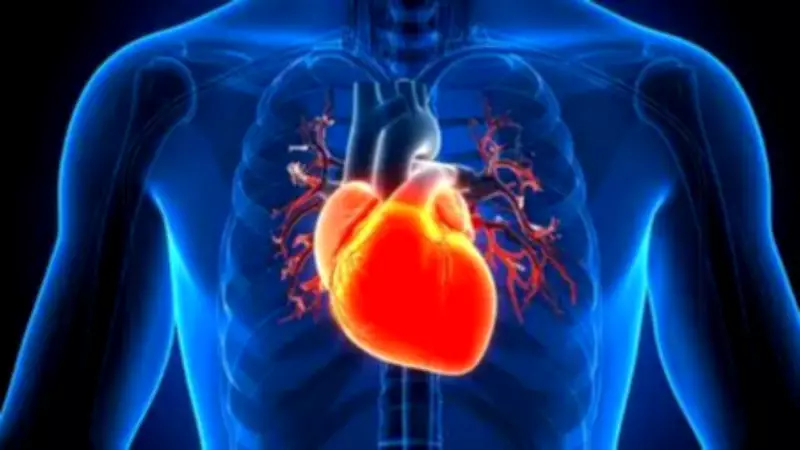
The sinoatrial node, located inside the heart's right atrial chamber, acts as the heart's 'master conductor', continuously generating electrical signals that regulate contractions in the atria and ventricles to maintain blood circulation. If the node malfunctions, the heartbeat can slow dangerously or stop altogether.
Research and Development
Researchers from institutions including the Chinese Academy of Sciences in Shanghai and Fudan University engineered the biological pacemaker using human pluripotent stem cells capable of developing into multiple cell types. The study was published on May 15 in Stem Cell Research. The team developed a three-dimensional sinoatrial node organoid by recreating signals involved in embryonic development. Researchers then connected it to an artificial cardiac plexus — a network of nerves around the base of the heart — to simulate nervous system control over heartbeat rhythm.

Key Findings
According to the study, the organoid generated stable spontaneous beating. When linked to atrial-like tissue, electrical signals travelled smoothly from the sinoatrial node to the atrial tissue, reproducing the process from 'pacemaking' to conduction in a laboratory setting for the first time. Further analysis showed that the organoid's gene expression closely resembled human embryonic sinoatrial node cells and responded appropriately to drugs that regulate heart rate.
Challenges and Future Implications
Scientists have long struggled to study the sinoatrial node because of its extremely small size and limited accessibility in human tissue samples. Animal models have also proved difficult to accurately apply to human cardiac function. According to the report, the findings may support future biological pacemaker strategies involving cell or organoid transplants. Existing electronic pacemakers, though widely used for decades, have recognised limitations including infection risk, battery life constraints and reduced adaptability to changes in heart size.