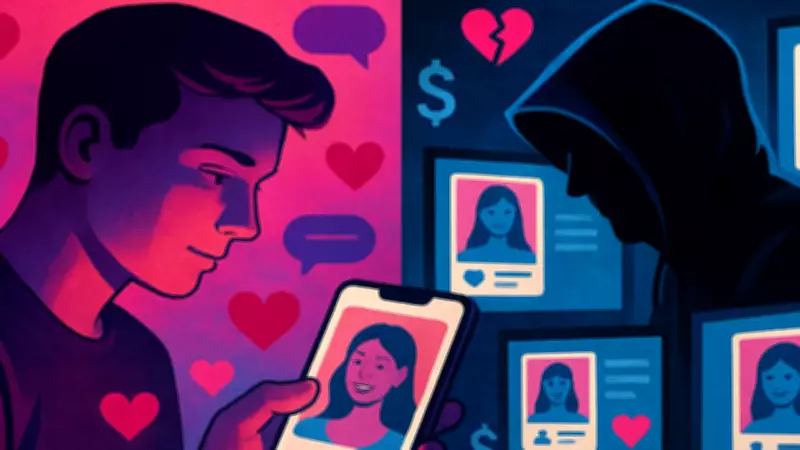
Software Engineer Loses Rs 18.7 Lakh in Elaborate Dating App Scam
A 29-year-old software engineer from Bengaluru has fallen victim to a sophisticated cybercrime, losing a staggering Rs 18.7 lakh after being deceived by a woman he met on a dating application. The incident, which has left the victim emotionally devastated, highlights the growing threat of online romance scams targeting vulnerable individuals.
How the Scam Unfolded
The victim, identified as Advik (name changed), a resident of New Thippasandra, filed a detailed complaint with the East Cyber Crime police station. According to his statement, the ordeal began on November 4, 2025, when he connected with a woman on the dating app Flutrr. She introduced herself as Anjali Kushlani, claiming to be from Mumbai.
After a few days of interaction on the app, the pair moved their conversation to WhatsApp, where they spoke daily. Over time, they developed what appeared to be a serious and genuine relationship. Advik, who comes from a modest background, shared details about his financial struggles, including living in a slum area. The woman, portraying herself as wealthy and supportive, reassured him and promised to help him grow in the future, stating, "I only want a good man."

The Shift to Online Trading
The conversation soon took a manipulative turn when Anjali began discussing online trading opportunities. Despite Advik's initial reluctance—he had already taken a loan to construct his house—she persuaded him to invest a small amount, offering to guide him through the process.
Following her instructions, Advik joined a Telegram channel linked to a trading platform and made his first deposit of Rs 40,000 on November 28. Early transactions showed small profits, and he was even able to withdraw $100 (approximately Rs 8,000), which further strengthened his trust in the scheme and in Anjali.
Encouraged by this apparent success, Anjali shared another trading link via WhatsApp and urged Advik to invest more. He began borrowing money from friends, eventually depositing Rs 5.6 lakh by December 25. When Advik insisted on meeting in person, Anjali promised to visit him on his birthday, adding another layer of false hope to the scam.
Emotional Manipulation and Escalation
The fraud took a darker turn in early 2026 when Advik faced personal tragedy with the loss of his younger brother on January 14. During this emotionally vulnerable period, he attempted to withdraw funds from the trading platform but was unable to do so. The platform cited trading conditions, claiming he did not have Rs 10,000 in profit or loss.
Anjali suggested he carry out a couple more trades before withdrawing, all while maintaining contact without asking for additional investments. She expressed concern and deepened his trust, exploiting his emotional state.
In February, the pressure intensified. Anjali began weaving promises of marriage into her manipulation, citing her "wealthy family expectations" and stating they would need at least Rs 4 crore for their future together. Under constant persuasion, Advik took out a loan and deposited Rs 10 lakh, followed by additional sums. To maintain credibility, Anjali claimed to "match" his contributions by adding Rs 5 lakh of her own.
He eventually invested another Rs 3.1 lakh, bringing his total losses to Rs 18.7 lakh. By mid-March, the trading account showed activity and profits, creating an illusion of legitimacy.
The Sudden Disappearance and Realization
On March 21, communication abruptly stopped. Calls went unanswered, and messages remained undelivered. When Anjali briefly resurfaced, she claimed her house had been raided by the Enforcement Directorate and demanded an additional $1,000. It was at this point that Advik realized he had been thoroughly duped.
The East Cyber Crime police have registered a case under the Information Technology Act and BNS Section 318 (cheating). The investigation is ongoing as authorities work to trace the perpetrators behind this elaborate scam.
This incident serves as a stark reminder of the dangers of online dating scams, where fraudsters build emotional connections to exploit victims financially. Cybercrime experts advise caution when engaging with strangers on digital platforms and recommend verifying identities before sharing personal or financial information.