CBI Exposes National Cyber Fraud Network Exploiting Illegal SIM Cards
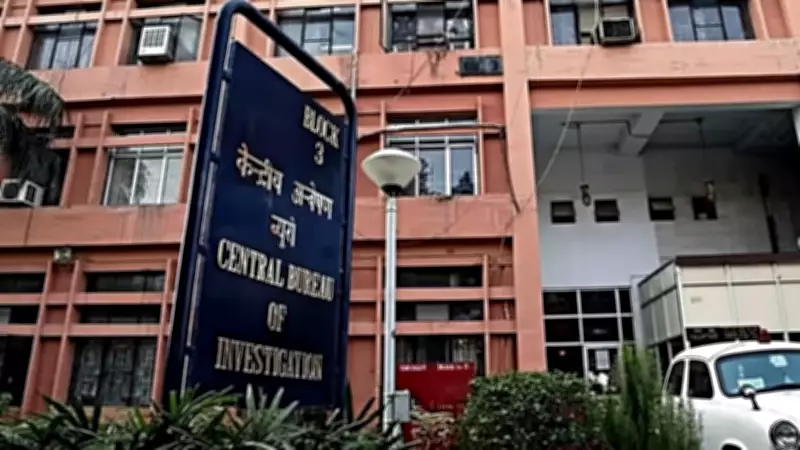
The Central Bureau of Investigation (CBI) has dismantled a highly organized national cyber fraud syndicate that operated by utilizing thousands of illegally obtained SIM cards to deceive individuals across the country. This elaborate scheme, centered around a company based in Northeast Delhi, involved sophisticated methods to bypass security protocols and facilitate widespread phishing activities.
Arrests and Bail in the Cyber Fraud Case
In a significant crackdown, the CBI arrested four individuals connected to the scam in December. The accused include Sonveer Singh, a channel partner for Vodafone Idea, who allegedly facilitated the issuance of over 7,000 SIM cards by misrepresenting authorized signatories and end users. Two others, Manish Upreti and Himalaya Chauhan, were arrested for arranging fake KYC verifications to enable the fraudulent issuance of thousands of SIM cards. The fourth accused, Binu Vidyadharan, an Area Sales Manager at Vodafone Idea in Delhi, was implicated for providing Aadhaar cards to co-accused Himalaya for self-KYC purposes.
All four accused have since been granted bail by a Delhi court. Additional Chief Judicial Magistrate Jyoti Maheshwari of the Rouse Avenue court noted that the investigation was complete and imposed stringent conditions to address concerns about further detention. The court emphasized that while cyber crimes are on the rise, each accused's role must be assessed independently without exaggeration.

Details of the Fraudulent Operation
The CBI's investigation revealed that Lord Mahavira Services India Pvt. Ltd. (LMSIPL), a company based in Chander Lok, Northeast Delhi, served as a front for the cyber fraud syndicate. Over four years, the firm allegedly bypassed security protocols to obtain 20,986 illegal SIM cards, with the majority sourced from Vodafone Idea. These SIM cards were then distributed to cyber fraudsters nationwide, who used them to make fraudulent calls impersonating officials from entities like the Telecom Regulatory Authority of India to dupe people.
The agency's case began with complaints received through the Department of Telecommunications' Chakshu portal. Out of 210 complaints, 189 involved numbers linked to Mahavira Services, with reported financial losses amounting to lakhs of rupees. The CBI found that Vodafone Idea had re-verified bulk connections as per DoT directives but deemed 99% of over 5,800 flagged numbers as "compliant," which raised suspicions.
Technical Aspects and Raids Conducted
During its probe, the CBI uncovered evidence of possible tampering with IMEI (International Mobile Equipment Identity) numbers and signs of SIM Boxes—devices used to route international calls as local calls to bypass charges and regulatory norms. Searches were conducted at multiple locations in Delhi, Noida, and Chandigarh, leading to the seizures of unaccounted cash, cryptocurrency, and equipment used in the phishing setup.
The fraudulent system included servers, communication devices, USB hubs, dongles, and thousands of SIM cards, enabling the sending of lakhs of fraud messages daily. The CBI is being represented in court by Public Prosecutors Saloni and Anoop Kumar.
Roles of the Accused and Company Response
According to the CBI, Himalaya Chauhan, a Point of Sale agent for Vodafone Idea, falsely represented himself as the authorized signatory of LMSIPL to procure over 6,000 SIM cards and projected fake individuals as employees. Manish Upreti played a similar role, while Binu Vidyadharan arranged dummy individuals and submitted their documents to complete KYC formalities falsely.
When contacted, a Vodafone Idea spokesperson stated, "This matter is currently under investigation and we are cooperating with the authorities concerned and providing all necessary support." The case highlights ongoing challenges in telecom security and the need for stringent measures to prevent such frauds.