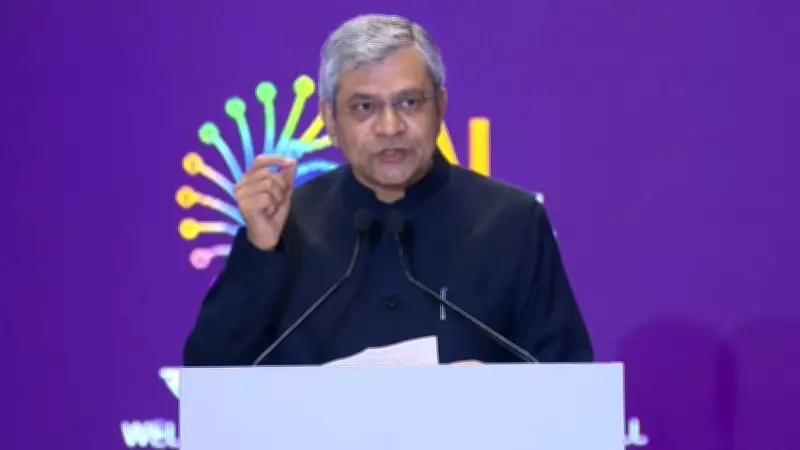
Government Considers New Legal Framework for Cybersecurity Challenges
Union IT Minister Ashwini Vaishnaw has announced that the Indian government is actively considering the creation of a new legal framework specifically designed to address the growing and evolving cybersecurity challenges facing the nation. This initiative underscores the administration's commitment to fortifying the country's digital infrastructure against a wide array of threats.
Addressing Modern Digital Threats
The proposed framework aims to provide a robust and updated legal structure to combat sophisticated cyber threats, including data breaches, ransomware attacks, and online fraud. Minister Vaishnaw emphasized the necessity of this move in light of the increasing digitalization of services and the economy, which has expanded the attack surface for malicious actors.
Key objectives of the new legal framework include:

- Enhancing data protection and privacy measures for citizens and businesses.
- Establishing clear protocols for incident response and cyber crisis management.
- Strengthening penalties and enforcement mechanisms for cybercrimes.
- Promoting collaboration between government agencies and the private sector.
- Aligning India's cybersecurity laws with international best practices and standards.
Strategic Importance and Implementation
This consideration comes at a critical time as India continues to advance its digital economy through initiatives like Digital India. A modern legal framework is seen as essential to safeguard national security, protect critical infrastructure, and build public trust in online platforms. The government's approach involves comprehensive stakeholder consultations to ensure the framework is both effective and adaptable to future technological developments.
The announcement signals a proactive step towards creating a more secure digital ecosystem, potentially influencing policies in other sectors reliant on technology.