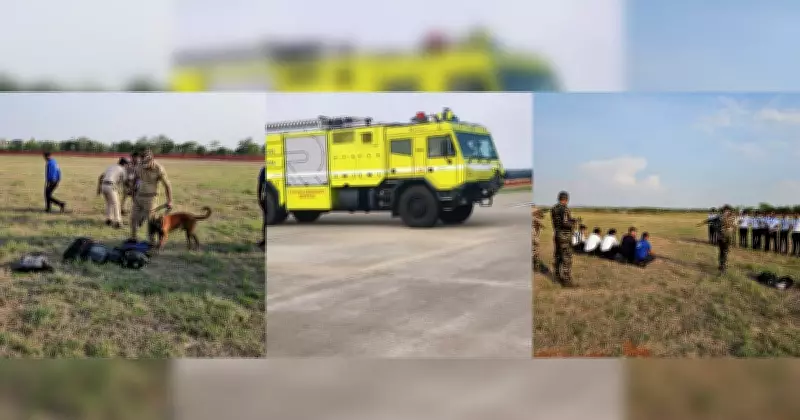
Mysuru Airport recently conducted a comprehensive anti-hijack mock exercise aimed at strengthening aviation security and preparing for potential contingencies. The drill, which took place on the airport premises, involved rehearsing key emergency protocols such as aircraft isolation, security deployment, and crisis management procedures. Personnel from various agencies, including the Central Industrial Security Force (CISF), airport staff, and local law enforcement, participated in the exercise to ensure seamless coordination during real-life emergencies.
Objectives of the Mock Drill
The primary goal of the exercise was to test the airport's readiness to handle hijacking scenarios and other security threats. By simulating a hijack situation, authorities aimed to evaluate the effectiveness of existing standard operating procedures (SOPs) and identify areas for improvement. The drill also focused on communication and collaboration among different response teams.
Key Protocols Rehearsed
During the exercise, participants practiced several critical procedures:

- Aircraft isolation: Securing the affected aircraft and preventing unauthorized access.
- Security deployment: Rapid positioning of security personnel around the aircraft and terminal.
- Crisis management: Coordinating with command centers and implementing emergency response plans.
- Passenger evacuation: Simulated evacuation of passengers and crew under controlled conditions.
Importance of Regular Security Drills
Regular mock exercises are essential for maintaining high security standards at airports. They help in training staff, testing equipment, and ensuring that all stakeholders are prepared to respond effectively to threats. The Mysuru Airport administration emphasized that such drills are part of ongoing efforts to enhance aviation safety and comply with regulatory requirements.
Collaboration Among Agencies
The success of the drill relied on the active participation of multiple agencies, including the CISF, airport operations team, fire services, and medical staff. Their coordinated efforts demonstrated a unified approach to handling aviation emergencies. Officials noted that the exercise provided valuable insights into response times and decision-making processes.
Conclusion
The anti-hijack mock exercise at Mysuru Airport underscores the commitment to ensuring passenger and crew safety. By rehearsing emergency protocols, the airport remains prepared to deal with any security contingency effectively. Continuous training and drills will further strengthen the aviation security framework in the region.