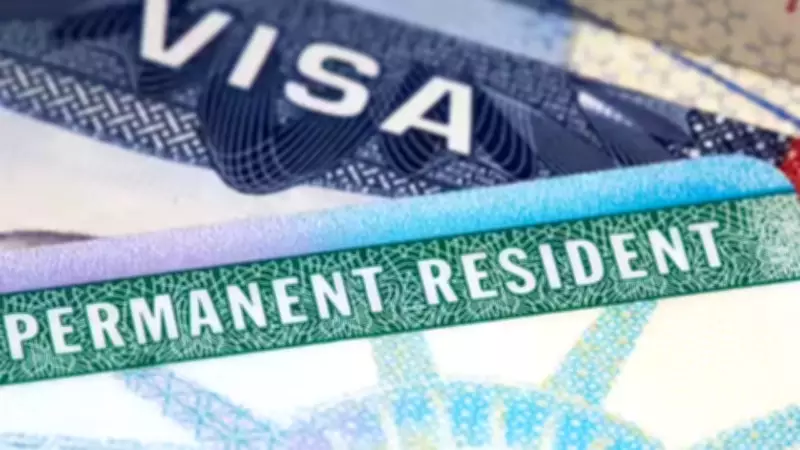
The United States Citizenship and Immigration Services (USCIS), under a new vetting protocol rolled out in late April, now requires its officials to resubmit fingerprints for pending cases to the Federal Bureau of Investigation's (FBI's) upgraded background check system before applications can be approved.
Scope of Revised Checks
The revised checks, aimed at enhancing national security, apply to a broad range of immigration filings that require biometrics. This includes adjustment of status applications for permanent residency, naturalization petitions, asylum applications, and employment authorization requests. As a result, immigration attorneys report that processing delays are being experienced across multiple categories.
Key Changes for Pending Applications
Immigration law firms highlight that the most significant change is the instruction for USCIS officers to re-run background checks even for pending applications where biometrics were already submitted before April 27. Although USCIS has not formally announced a system-wide pause, adjudications in many categories have slowed as officers wait for updated FBI clearances.

Concerns Over Increased Scrutiny
Immigration attorneys have raised concerns that the broadened searches may lead to greater scrutiny of applicants over minor or historical interactions appearing in criminal databases, even where there was no conviction. Some immigration advocates fear the new measures could disproportionately affect immigrants from heavily scrutinized regions. The FBI's name-check system searches multiple variations and phonetic spellings of an applicant's name across investigative and reference files. Even indirect mentions in investigative records can trigger secondary reviews requiring manual examination by officials.
This move marks the latest tightening of immigration screening under the Trump administration, which has expanded enforcement measures and increased scrutiny across legal immigration pathways.