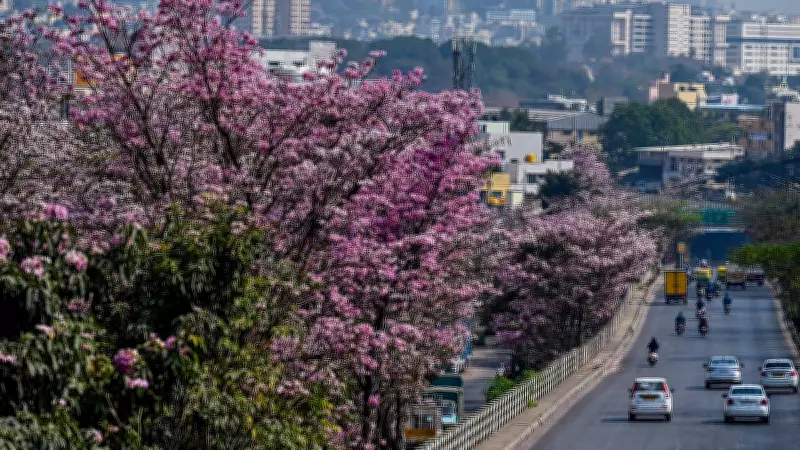
Tech Enthusiasts in Bengaluru Launch Digital Map for Pink Tabebuia Rosea Trees
In a unique blend of technology and environmental stewardship, a collective of tech professionals based in Bengaluru has pioneered an interactive digital map specifically designed to monitor the flowering patterns of Tabebuia rosea trees, commonly known as the pink trumpet trees. This innovative initiative aims to foster greater community involvement and raise awareness about urban biodiversity in India's bustling tech hub.
Mapping Nature's Splendor with Digital Precision
The project, dubbed the "Pink Splash Map," leverages modern mapping technologies to allow residents and nature enthusiasts to pinpoint the locations of these vibrant pink-flowering trees across the city. Users can contribute real-time updates on blooming status, creating a dynamic, crowd-sourced database that tracks the seasonal changes and health of these botanical landmarks. This effort not only celebrates the aesthetic beauty of the Tabebuia rosea but also serves as a tool for ecological monitoring and urban planning.
Key features of the map include:

- Interactive markers indicating tree locations with detailed information on flowering phases.
- User-generated content enabling community participation in data collection.
- Integration with social media platforms to share sightings and photos, enhancing public engagement.
- Analytics on blooming trends to support research on climate impacts and urban green cover.
Driving Community Engagement and Environmental Awareness
This initiative reflects a growing trend among Bengaluru's tech-savvy population to apply their skills for social and environmental causes. By creating a platform that bridges technology and nature, the developers hope to inspire more citizens to appreciate and protect the city's green spaces. The map has already garnered significant attention, with hundreds of entries logged since its launch, highlighting hotspots like Cubbon Park, Lalbagh Botanical Garden, and various residential neighborhoods.
Experts in urban forestry have praised the project for its potential to aid in conservation efforts. By providing accessible data on tree distribution and flowering cycles, it can inform municipal authorities in planning urban afforestation projects and mitigating the effects of urbanization on local ecosystems. Moreover, it encourages a sense of ownership among residents, turning passive observers into active participants in Bengaluru's environmental narrative.
Future Prospects and Broader Implications
Looking ahead, the techies behind the map plan to expand its scope by incorporating additional tree species and enhancing features such as mobile app compatibility and educational resources. This could set a precedent for similar initiatives in other Indian cities, promoting a nationwide movement towards tech-driven environmentalism. The success of the Tabebuia rosea map underscores the power of grassroots innovation in addressing urban ecological challenges, blending digital tools with community spirit to create a greener, more connected urban landscape.