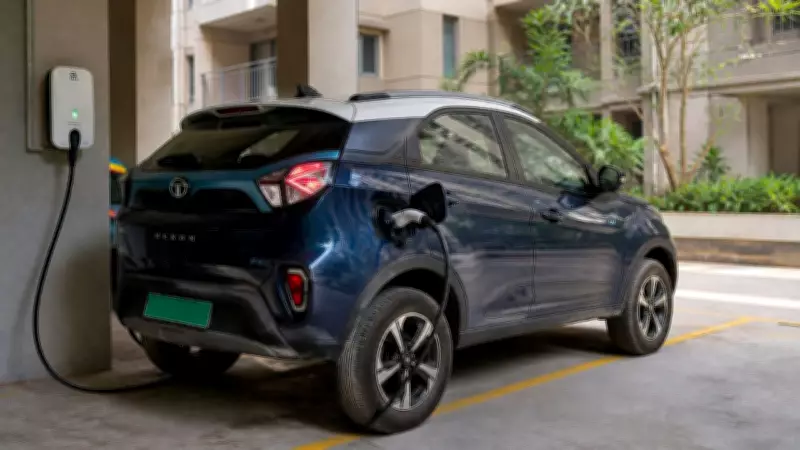
Electric vehicles are gaining traction in urban India, but for apartment residents, ownership hinges largely on access to charging. While more models are available and public infrastructure is expanding, the key concern remains the availability of a reliable charging solution at or near home.
Home Charging: The Central Pillar of EV Ownership
Home charging continues to be central to EV ownership. In independent houses, installing a private charger is relatively straightforward. In apartment complexes, it depends on parking allocation, wiring access, and approvals from the housing society. A fixed parking slot close to the electricity meter generally makes installation feasible. Automakers and third-party providers assist with setup, but clearance from the Residents’ Welfare Association (RWA) or the managing committee is required.
Regulatory Landscape and Implementation
Regulatory clarity has improved, with guidelines recognising EV charging as a basic service and advising housing societies not to deny reasonable requests. Implementation, however, varies. Some complexes have already installed shared chargers, while others remain cautious due to concerns over safety, electrical load, and limited awareness.

Power Supply and Charging Options
Where approval is granted, power supply becomes the next consideration. Most EVs in India support charging via a standard 15A socket or a dedicated AC wall box. Overnight charging is typically sufficient for daily usage, with urban driving of 30–50 km easily covered. This makes EVs more practical for users whose routines align with regular overnight charging. Challenges arise when there is no dedicated parking. Extending a cable from a private meter to a common parking area may not be feasible or permitted.
Shared Chargers and Public Infrastructure
In such cases, shared chargers are the alternative, though access can be inconsistent and may require coordination among residents. Public charging serves as a backup but requires planning. Cities such as Bengaluru, Delhi-NCR, and Mumbai have seen a rise in charging stations, but availability and convenience remain uneven. Fast chargers reduce charging time but can increase running costs and are not always ideal for frequent use.
Cost Considerations
Costs include upfront expenses for charger installation, wiring, and, in some cases, electricity connection upgrades. Once installed, home charging remains cheaper than relying on public fast chargers, as residential tariffs are lower than commercial rates.
Safety and Future Readiness
Safety concerns persist in apartment settings, though certified EV chargers include safeguards against overcurrent, overheating, and voltage fluctuations. Proper installation by authorised technicians is essential. Reported fire incidents are often linked to faulty wiring or non-standard installations rather than inherent vehicle issues. Future readiness is another factor. As EV adoption grows, demand for charging infrastructure in apartment complexes is expected to increase. Societies that upgrade electrical systems and plan dedicated charging areas are likely to manage the transition more effectively. Buyers must also consider how their current setup may evolve.
Alternatives and Adaptation
Alternatives exist where home charging is not immediately possible. Some users depend on workplace charging, while others combine slow public charging with occasional fast charging. This approach requires more planning compared to conventional refuelling. For most city users with predictable routines, range is less of a concern. Access to consistent charging remains the primary challenge for apartment residents. Addressing this is critical for wider EV adoption in such settings.

Automaker Responses and Buyer Considerations
Automakers are adapting by offering portable chargers and partnering with charging providers for installation support and network access. Buyers must assess key factors, including dedicated parking, society approvals, and availability of public or workplace charging. EV ownership in apartments currently requires planning and adjustment. While not as seamless as in independent homes, lower running costs, reduced emissions, and quieter operation continue to support the case for EVs. As infrastructure improves and more residential projects integrate EV-ready systems, these challenges are expected to ease. Until then, apartment residents must evaluate their usage patterns, charging access, and practical constraints before making the switch.