Chennai Metro's 'Metro at Doorstep' Initiative to Revolutionize Commuting with 220 Feeder Buses
In a significant move to enhance urban mobility, the Tamil Nadu government has granted in-principle approval for the rollout of first and last mile connectivity services around Phase-I Chennai Metro stations. Dubbed the 'Metro at the Doorstep' initiative, this ambitious project aims to make metro travel more convenient and attract a larger number of commuters by bridging the critical gap between neighbourhoods and metro stations.
Fleet Details and Operational Model
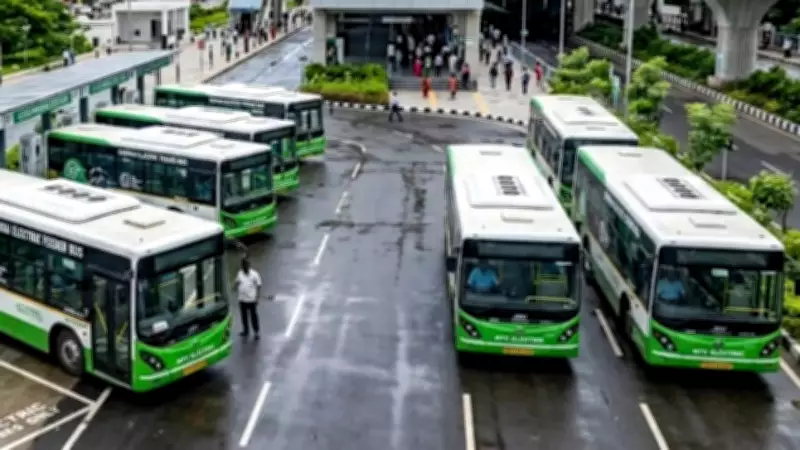
A fleet of 220 feeder vehicles will be deployed in the first phase, comprising 70 small buses with 19 seats each and 150 micro buses or vans with 12 seats each. This diverse fleet is designed to cater to varying passenger demands and ensure efficient service across different routes. Since Chennai Metro Rail Limited cannot directly operate road-based transport under the Motor Vehicles Act, the feeder services will be managed by the Metropolitan Transport Corporation under a gross cost contract model, ensuring professional oversight and seamless integration.
Key Stations Covered in Initial Phase
The feeder service will initially cover 11 important metro stations, strategically selected to maximize connectivity and ridership. These stations include:

- Thirumangalam
- Vadapalani
- Koyambedu
- Guindy
- Alandur
- Meenambakkam
- OTA Nanganallur
- St Thomas Mount
- Washermenpet
- Wimco Nagar
- Chennai airport
This targeted approach ensures that high-traffic areas and transit hubs are prioritized, facilitating easier access for commuters from various parts of the city.
Enhanced Service Frequency and Commuter Benefits
Currently, only 22 minibuses connect these stations, operating at intervals of approximately 20 minutes, which often leads to longer waiting times and inconvenience. Under the new FLMC plan, feeder buses are expected to run every five minutes, a dramatic improvement that will significantly reduce waiting periods and enhance overall commuter experience. This increased frequency is poised to make public transport a more attractive and reliable option for daily travel.
Boosting Metro Ridership and Reducing Private Vehicle Dependence
With Chennai Metro ridership currently hovering around 3–3.2 lakh passengers daily, the new feeder network is a strategic effort to encourage more people to shift from private vehicles to public transport. By improving connectivity to metro stations, the initiative addresses one of the major barriers to metro usage—the last-mile problem. Experts believe that this could lead to a substantial increase in daily ridership, contributing to reduced traffic congestion and lower carbon emissions in the city.
Expert Recommendations and Future Expansion
Transport experts and commuters have welcomed the initiative but emphasize the need for broader integration. They stress that feeder services should eventually extend to suburban railway and MRTS stations to create a comprehensive multi-modal transport network. Additionally, experts highlight the importance of developing adequate charging infrastructure for electric vehicles and implementing better route planning to avoid duplication and ensure optimal coverage. These steps will be crucial for the long-term success and scalability of the project.
The 'Metro at Doorstep' initiative represents a forward-thinking approach to urban transportation in Chennai, setting a precedent for other Indian cities grappling with similar connectivity challenges. As the project rolls out, it is expected to transform the daily commute for thousands, making metro travel a more viable and preferred mode of transport.