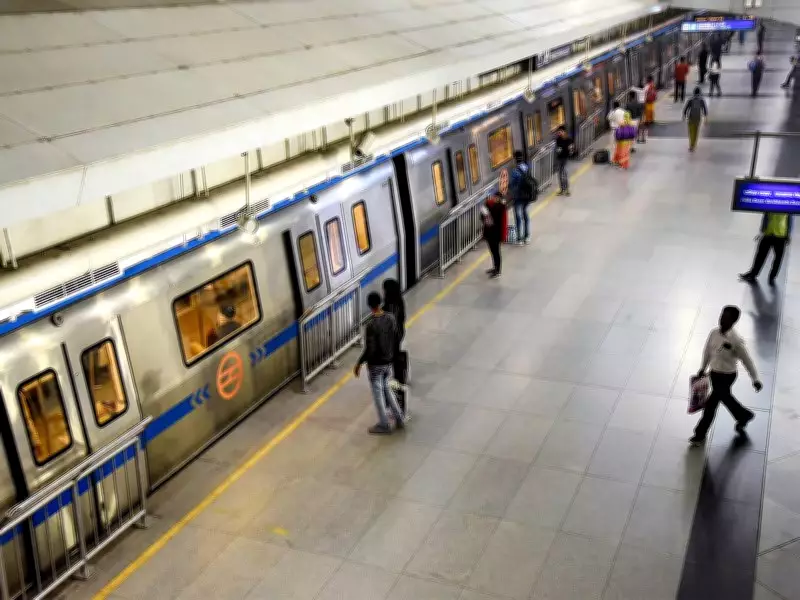
The Delhi Metro Rail Corporation (DMRC) has announced plans to run extra metro trips as part of the city's push towards public transport and green mobility. The initiative is aimed at reducing vehicular pollution and easing traffic congestion in the national capital.
Additional Services to Commence Soon
According to DMRC officials, the additional trips will be introduced on select routes during peak hours. The decision comes in response to the growing demand for efficient and eco-friendly transportation options. Commuters can expect increased frequency of trains, particularly on busy corridors.
Benefits for Commuters and Environment
The move is expected to benefit thousands of daily commuters by providing them with more reliable and comfortable travel options. Moreover, it aligns with the Delhi government's broader strategy to promote sustainable urban mobility. By encouraging more people to use public transport, the DMRC aims to significantly cut down carbon emissions and improve air quality.

Delhi has been grappling with severe air pollution, especially during the winter months. The introduction of extra metro trips is seen as a crucial step in mitigating the environmental impact of private vehicles. The DMRC has also been expanding its network and integrating with other modes of transport like buses and feeder services.
Green Mobility Initiatives
In addition to increasing train frequency, the DMRC is exploring the use of renewable energy sources for its operations. Solar panels installed at various stations and depots are already contributing to the metro's energy needs. The corporation is also working on enhancing last-mile connectivity through electric rickshaws and bicycles.
The DMRC's efforts are part of a larger push by the Delhi government to make the city a model for green transportation. Other measures include the introduction of electric buses, expansion of cycling lanes, and stricter emission norms for vehicles.
Public Response
Commuters have welcomed the announcement, expressing hope that the additional trips will reduce waiting times and overcrowding. Regular metro user Rajesh Sharma said, "The extra trips will make a big difference, especially during rush hour. It's good to see the DMRC taking steps to improve service."
Environmental activists have also praised the move. Sunita Narain, a prominent environmentalist, stated, "Investing in public transport is the most effective way to combat air pollution. The DMRC's initiative sets a positive example for other cities."
Future Plans
The DMRC has outlined plans to further expand its network in the coming years. New lines are being constructed to connect underserved areas, and the frequency of trains will be increased as demand grows. The corporation is also investing in modern technology to improve efficiency and passenger experience.
With these measures, Delhi is positioning itself as a leader in sustainable urban transport. The DMRC's extra metro trips are just one aspect of a comprehensive strategy to create a cleaner, greener, and more livable city.