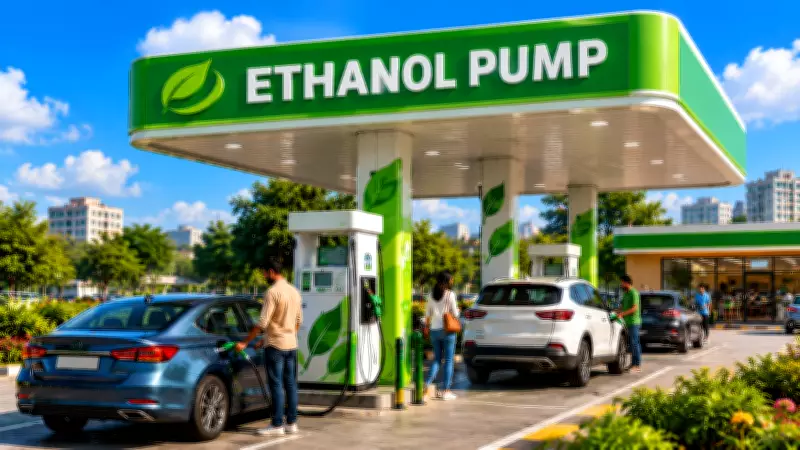
India is set to accelerate its ethanol fuel program, planning a widespread network of ethanol dispensing stations as part of efforts to reduce dependence on imported fossil fuels. The initiative will begin with 50-100 stations in Delhi-NCR, Pune, Mumbai, and Nagpur, with a target of 500 stations by the end of 2026 and 5,000 by the close of 2027, according to Petroleum and Natural Gas Minister Hardeep Singh Puri.
Ethanol Station Rollout Gathers Pace
Speaking at the launch of India's first flex-fuel car by Maruti Suzuki, Puri stated, "I think we are starting with about 50 to 100 (ethanol) dispensing stations in Delhi-NCR region, Pune, Mumbai, and Nagpur, etc. This 50-100 (ethanol) dispensing stations will hopefully go up to 500 towards the end of 2026."
The minister emphasized that wider adoption of ethanol-compatible vehicles could significantly cut India's fossil fuel import bill, which stands at around $120 billion. Making Euro VI vehicles compatible with E100 fuel would contribute to reducing that burden.

Push for Flex-Fuel Vehicles and Farmer Gains
Puri highlighted the economic benefits of increased flex fuel vehicle use. If half of all new two-wheelers and four-wheelers manufactured are flex fuel-compliant, it could create additional ethanol demand of 311.8 crore litres and generate Rs 12,403 crore in extra income for farmers.
India has already achieved 20% ethanol blending with petrol, up from 1.5% in 2014. The program has led to foreign exchange savings of Rs 1.84 lakh crore by replacing 302 lakh metric tonnes of crude oil.
New Rules to Widen Alternative Fuel Options
Regulatory changes are being proposed to support a wider range of alternative fuels. The Ministry of Road Transport and Highways has suggested amendments to the Central Motor Vehicles Rules, 1989 to allow broader use of higher ethanol blends and other fuel options, including E85 (85% ethanol), E100 (nearly pure ethanol), B100 biodiesel, and hydrogen-CNG combinations. This opens the door for flex-fuel and pure biofuel vehicles across multiple segments.
OMC Losses and Fuel Supply Concerns
Responding to a question on the impact of higher international energy prices on oil marketing companies, Puri said they continue to face significant losses, estimated at Rs 500-550 crore per day, due to selling retail fuels at lower prices despite higher procurement costs.
Addressing concerns over energy supplies through the Strait of Hormuz, through which 60% of India's LPG and 90% of its crude oil imports travel, Puri claimed there has been no shortage in the 93-94 days since the US and Israel attack on Iran on February 28. He dismissed false reports of shortages as attempts to create panic, and noted that India is second only to Japan in terms of the lowest increase in fuel prices.