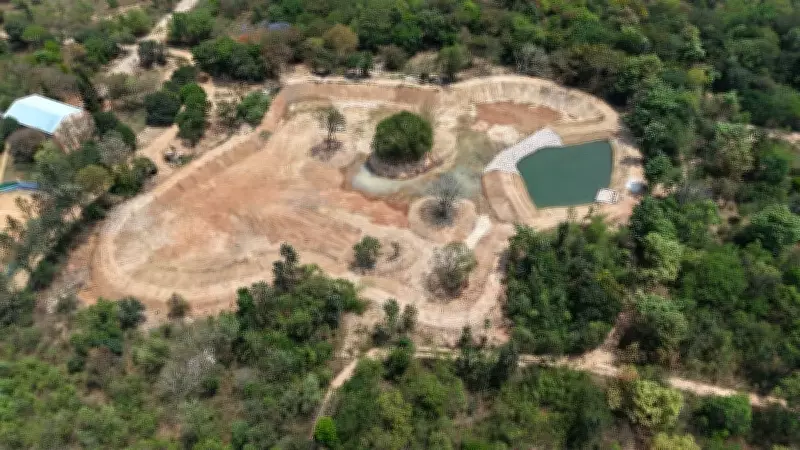
In Bengaluru, a growing movement of non-governmental organizations (NGOs) and concerned citizens is rallying to protect and revive the city's small, pocket-sized lakes. These water bodies, often overlooked, play a vital role in groundwater recharge and supporting local biodiversity.
Why Pocket-Sized Lakes Matter
These small lakes, typically less than 10 acres, are scattered across Bengaluru's urban landscape. They act as natural sponges, absorbing rainwater and replenishing the groundwater table. Additionally, they provide habitats for birds, fish, and plants, contributing to the city's ecological health. However, many are under threat from encroachment, pollution, and neglect.
Citizen-Led Initiatives
Groups like the 'Save Our Lakes' collective and 'Bengaluru Water Solutions' are organizing clean-up drives, awareness campaigns, and legal petitions to safeguard these water bodies. Residents have formed lake committees to monitor and maintain them. For instance, the Puttenahalli Lake Trust has successfully restored a once-dying lake into a thriving ecosystem.

Challenges and Solutions
Despite these efforts, challenges persist. Encroachment by real estate developers and illegal dumping of waste remain major issues. NGOs are pushing for stricter enforcement of lake protection laws and greater public participation. They also advocate for integrating these lakes into the city's stormwater management system to prevent flooding.
Community Involvement
Local residents have become the eyes and ears of these lakes, reporting violations and participating in regular maintenance. Weekend clean-ups and tree-planting events have fostered a sense of ownership. Schools and colleges are also joining in, with students learning about water conservation through hands-on activities.
Future Outlook
The movement is gaining momentum, with more citizens realizing the importance of these pocket-sized lakes. NGOs are hopeful that sustained pressure will lead to better government support and funding. As Bengaluru faces water scarcity, these lakes could hold the key to a more sustainable water future.