The 'Sarkar, Tuhade Dwaar' initiative in Punjab has revolutionized citizen access to government services by reducing delays, minimizing reliance on middlemen, and enhancing transparency. Through the 1076 helpline and doorstep delivery system, the technology-enabled platform has delivered over 3.10 lakh services to citizens, bringing pendency across departments down to just 0.33 percent.
Access to 437 Government Services
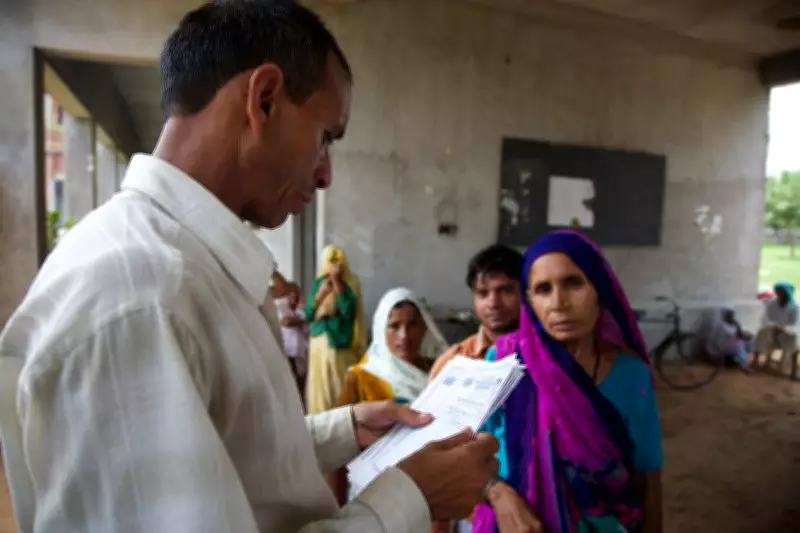
Citizens can now access 437 government services through an integrated platform by calling the 1076 helpline or booking appointments via WhatsApp, the online portal, or Sewa Kendras. Trained doorstep delivery operators visit citizens at their homes, collect documents, assist in completing applications, and facilitate online submission, eliminating the need for repeated visits to government offices.
Impact on Vulnerable Groups
The initiative has significantly benefited senior citizens, persons with disabilities, farmers in remote areas, women, and working professionals. These groups previously spent considerable time and money traveling to government offices and often relied on intermediaries. Since the launch, over 4.18 lakh appointments have been booked under the doorstep delivery system. Citizens now receive certificates and approvals via SMS, WhatsApp, and physical delivery at home.

Digital Verification and Formless Services
The initiative has transformed the verification process with online verification by Patwaris, Nambardars, Sarpanches, Municipal Councillors, and departmental officials. This has reduced paperwork and minimized physical visits while ensuring transparency and accountability. Another major reform is the introduction of formless services, where citizens no longer need to fill lengthy application forms. Doorstep delivery operators capture information digitally, and the system automatically generates the application, simplifying the process and reducing errors.
Enhanced Accountability
Real-time application tracking, department-wise dashboards, beat-wise monitoring, and feedback calls to beneficiaries have strengthened accountability and enabled timely service delivery. Punjab Good Governance and Information Technology Minister Aman Arora stated that technology is used to make governance more transparent and responsive. He emphasized that technology strengthens transparency and accountability by enabling real-time tracking of applications, reducing delays, and minimizing uncertainty.
The government aims to ensure citizens do not have to make repeated visits to government offices for routine services. The recent initiative to facilitate online verification of certificates through Sarpanchs, Nambardars, and Municipal Councillors further reduces paperwork and limits unnecessary physical visits. With every stage of an application leaving a digital trail, the scope for delays and intermediaries is shrinking, making governance increasingly efficient, transparent, and citizen-centric.