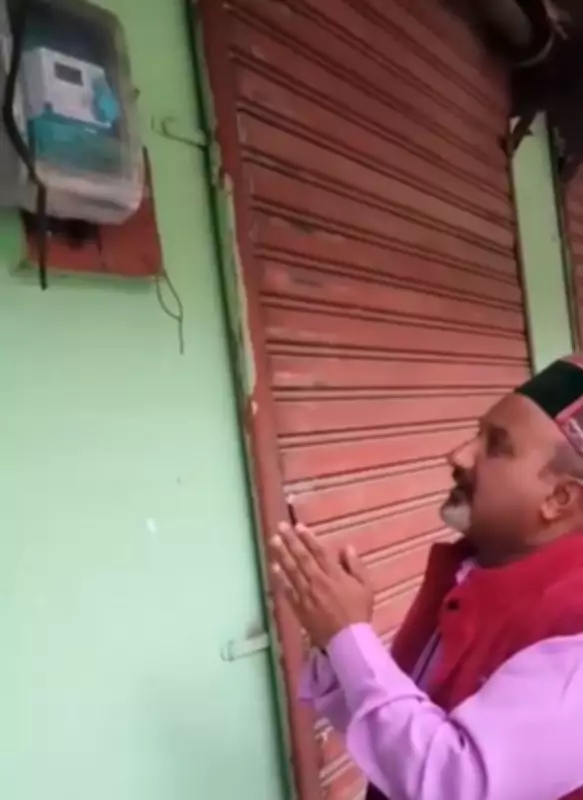
In a unique protest against smart meters, residents of a village in Shimla district of Himachal Pradesh have taken to the streets, alleging that the new metering system has resulted in exorbitant electricity bills. The protest was triggered by instances where consumers received inflated bills, including a case where a shop that remained closed was charged Rs 17,000.
Background of the Protest
The protest, which began on Monday, saw villagers from the area gathering at the local electricity board office, demanding an immediate investigation into the billing discrepancies and a rollback of the smart meter installation. The villagers claim that the smart meters are malfunctioning and generating arbitrary readings, leading to financial burden on the residents.
Key Incidents Sparking Outrage
One of the most talked-about incidents involves a shop owner who found his electricity bill for a month to be Rs 17,000, despite the shop being closed for the entire period. Another resident reported a bill of Rs 12,000 for a house that was occupied only occasionally. These cases have fueled widespread anger among the villagers, who feel that the smart meters are being used to overcharge them.

Demands of the Protesters
The protesters have submitted a memorandum to the authorities, listing their demands. These include:
- Immediate suspension of smart meter installation in the village.
- Conducting a thorough audit of all smart meter readings since their installation.
- Replacement of defective meters with traditional ones.
- Formation of a committee comprising villagers and electricity department officials to resolve billing issues.
Response from the Electricity Department
Officials from the Himachal Pradesh State Electricity Board (HPSEB) have acknowledged the complaints and assured that a team would be sent to inspect the meters. However, they maintained that smart meters are generally accurate and that the high bills could be due to technical glitches or tampering. The department has urged consumers to report any anomalies promptly for resolution.
Broader Implications
The protest highlights the challenges faced in the rollout of smart meters across the country. While smart meters are intended to improve billing accuracy and reduce power theft, issues such as faulty installation, lack of consumer awareness, and inadequate grievance redressal mechanisms have led to public distrust. In Himachal Pradesh, the government has plans to install smart meters in all urban areas by 2025, but the current protest may slow down the process.
Local leaders have also joined the protest, criticizing the government for not consulting the public before implementing the new system. They have called for a comprehensive review of the smart meter project and suggested that pilot studies should be conducted before large-scale deployment.
Conclusion
The unique protest in Shimla's village serves as a reminder that technology adoption must be accompanied by proper implementation and public engagement. As the villagers continue their agitation, all eyes are on the state government to address their concerns and restore faith in the smart metering system.