How to Switch from LPG to PNG: A Comprehensive Guide
As India pushes for cleaner and more efficient energy solutions, many households are considering switching from traditional LPG (Liquefied Petroleum Gas) cylinders to PNG (Piped Natural Gas). This transition offers numerous advantages, including cost savings, convenience, and environmental benefits. However, the process can seem daunting without proper guidance. This article provides a detailed, step-by-step guide to help you check PNG availability in your city and make the switch smoothly.
Step 1: Check PNG Availability in Your City
The first and most crucial step is to determine whether PNG services are available in your locality. Availability depends on the infrastructure laid by gas distribution companies, which varies across cities and even within neighborhoods. To check, visit the official websites of major gas suppliers like GAIL (Gas Authority of India Limited), Indraprastha Gas Limited (IGL), or Mahanagar Gas Limited (MGL). These portals often have dedicated sections or tools where you can enter your address or pin code to verify service coverage. Alternatively, you can contact their customer service helplines for real-time assistance. It's advisable to confirm with multiple sources, as coverage maps might not always be up-to-date.
Step 2: Gather Required Documents
Once you confirm availability, prepare the necessary documents for the application process. Typically, you will need:

- Proof of Identity: Aadhaar card, passport, voter ID, or driving license.
- Proof of Address: Recent utility bills (electricity or water), property tax receipt, or rental agreement.
- Passport-sized Photographs: Usually two to four copies.
- Existing LPG Connection Details: Surrender documents or proof of closure from your current LPG provider.
Some companies might also require a no-objection certificate from your housing society or landlord, especially in multi-story buildings. Ensure all documents are current and legible to avoid delays.
Step 3: Submit Your Application
With documents in hand, proceed to submit your application to the chosen gas distribution company. This can often be done online through their official website or mobile app, where you fill out a form and upload scanned copies of your documents. Alternatively, you can visit their nearest customer service center or authorized dealer in person. During submission, you may need to pay an initial connection fee, which varies by company and location. Keep a copy of the application receipt for future reference.
Step 4: Schedule Installation and Inspection
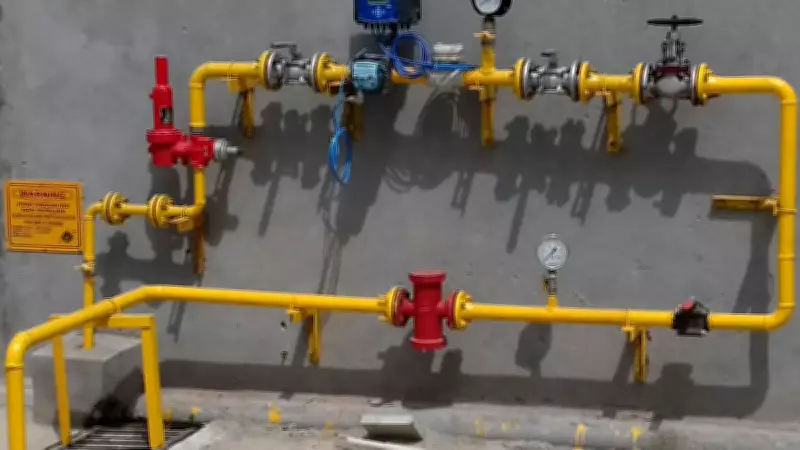
After your application is processed and approved, the company will schedule a site inspection. A technician will visit your home to assess the feasibility of installing PNG pipelines, check safety standards, and determine the optimal route for the connection. This step is critical to ensure compliance with regulatory norms and prevent hazards. Once the inspection is successful, an installation date will be set. The process usually involves laying pipes from the main line to your kitchen, installing a meter, and setting up burners compatible with PNG.
Step 5: Complete the Switch and Enjoy Benefits
On the installation day, ensure someone is present at home to oversee the work. The technician will install the necessary equipment and conduct a safety test to check for leaks. Once everything is secure, you'll receive a demonstration on how to use the PNG system, including operating the meter and understanding billing. After installation, formally surrender your LPG connection to avoid dual charges. The switch to PNG offers benefits like uninterrupted supply, no more cylinder refills, and often lower costs per unit compared to LPG. Additionally, PNG is cleaner-burning, reducing indoor air pollution and contributing to environmental sustainability.

Additional Tips and Considerations
Before making the switch, consider factors such as the initial investment for installation, which might be higher than maintaining LPG, but long-term savings can offset this. Also, check if your existing appliances are compatible with PNG or if you need to purchase new ones. Regularly monitor your consumption through the meter to manage expenses effectively. If you face any issues during the process, reach out to the company's customer support for resolution. Staying informed about local government schemes or subsidies for PNG adoption can further ease the transition.
Switching from LPG to PNG is a forward-looking move that aligns with India's energy goals. By following this guide, you can navigate the process efficiently and enjoy the convenience and eco-friendliness of piped natural gas in your home.