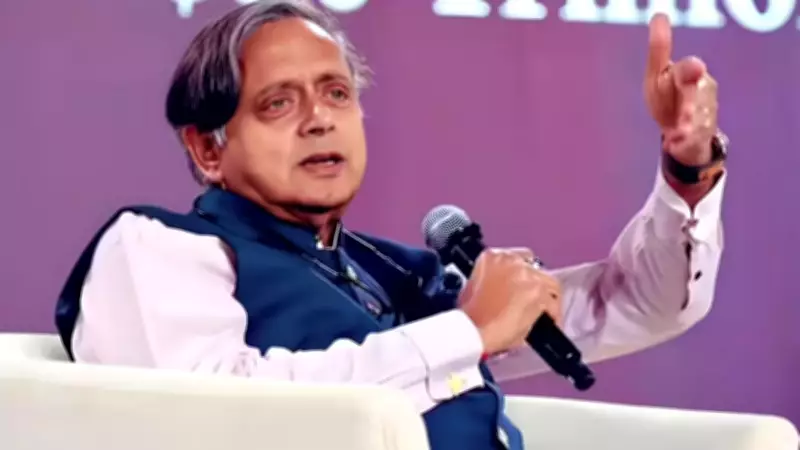
Shashi Tharoor: UPI Global Expansion Marks India's Tech Influence Power Shift
In a significant address in New Delhi, senior politician and author Shashi Tharoor has underscored a profound transformation in global power dynamics, pointing to India's Unified Payments Interface as a pivotal driver of this change. Tharoor emphasized that UPI's rapid expansion to 19 countries has substantially elevated India's status as a formidable techno-diplomatic force on the world stage.
UPI's International Footprint and Strategic Impact
Countries including France, the United Arab Emirates, Singapore, and Bhutan now actively support UPI-based payments, enabling Indian travelers to conduct transactions seamlessly across borders. This development represents more than just a convenience; it symbolizes India's growing technological prowess and its ability to export innovative solutions globally. Tharoor articulated that digital infrastructure has become central to exerting global influence, and India's remarkable success in this domain is fundamentally altering international perceptions.
From local vendors to international markets, UPI serves as a powerful showcase of India's technological strength and innovative capacity. The system's user-friendly design, security features, and interoperability have made it a model for other nations to emulate. As digital adoption accelerates worldwide, India's UPI framework is emerging as a benchmark for efficient and inclusive financial technology.

Techno-Diplomacy and Future Implications
Tharoor's remarks highlight how innovation can translate into strategic influence beyond national borders. The expansion of UPI is not merely a commercial achievement but a diplomatic tool that enhances India's soft power and economic leverage. This techno-diplomatic approach allows India to forge stronger ties with partner countries while promoting its indigenous technological solutions.
The global recognition of UPI underscores a broader shift where technological leadership is increasingly synonymous with geopolitical influence. As more countries adopt and integrate UPI into their payment ecosystems, India's role as a digital pioneer is solidified, potentially reshaping trade relationships and economic collaborations.
In conclusion, Shashi Tharoor's analysis presents a compelling narrative of India's rising stature in the global tech arena. The UPI expansion serves as a testament to how digital innovation can drive national prestige and international power dynamics, positioning India as a key player in the evolving digital economy.