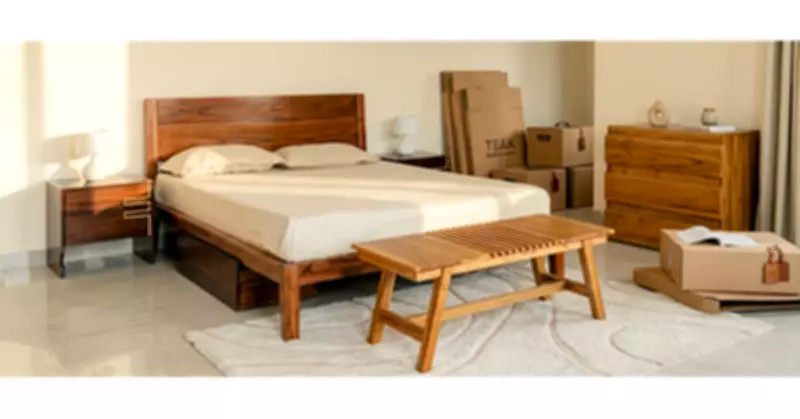
In the bustling cities of India, a new trend is reshaping the concept of home: tool-free, modular furniture that can be assembled, disassembled, and moved with ease. This innovation caters to a growing demographic of urban nomads—young professionals, students, and families who relocate frequently due to job transfers, education, or lifestyle choices. The traditional heavy, permanent furniture is giving way to lightweight, interlocking systems that require no screws, nails, or tools.
The Rise of the Urban Nomad
India's urban population is on the move. With rapid urbanization and a dynamic job market, many residents change cities every few years. Renting is common, and furnished apartments often come with bulky, mismatched pieces. Tool-free furniture offers a solution: it is portable, customizable, and can be packed into a car or shipped easily. Brands like IKEA, Urban Ladder, and local startups are leading the charge with flat-pack designs that snap together.
Benefits of Tool-Free Furniture
- Easy Assembly: No tools required; pieces click or slide into place.
- Portability: Lightweight materials like engineered wood or aluminum make moving simple.
- Sustainability: Reduced waste from packaging and fewer broken items during relocation.
- Cost-Effective: Lower shipping costs and no need for professional assembly services.
Market Growth and Consumer Demand
The Indian furniture market is expected to reach $50 billion by 2025, with modular furniture growing at 20% annually. Young consumers prioritize flexibility over permanence. Social media and online reviews influence choices, with durability and design key factors. Brands now offer warranties and virtual room planners to aid selection.

Challenges and Innovations
Despite the boom, challenges remain. Quality concerns arise with cheaper materials, and some consumers find assembly instructions confusing. Innovations include magnetic connectors, foldable designs, and multi-functional pieces like sofa-cum-beds. Startups are experimenting with recycled materials to appeal to eco-conscious buyers.
Future of Indian Homes
As the nomadic lifestyle becomes mainstream, tool-free furniture is not just a trend but a necessity. It reflects a shift towards minimalism and adaptability. Real estate developers are also incorporating flexible layouts to complement these furniture systems. The home of the future in India will be a dynamic space that evolves with its inhabitants, without the need for a toolbox.