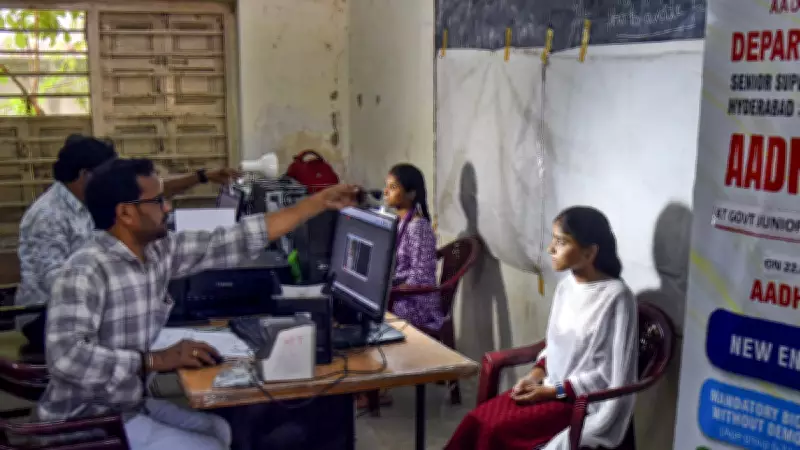
UIDAI Launches Massive Aadhaar Biometric Update Drive for Students
The Unique Identification Authority of India (UIDAI) has announced a significant nationwide initiative aimed at updating the biometric data of approximately 1.2 crore (12 million) students across 1 lakh (100,000) schools. This comprehensive program is scheduled for completion by March 2026, marking a crucial step in maintaining the accuracy and security of the Aadhaar database for the younger generation.
Scope and Timeline of the Update Initiative
The biometric update drive will involve collecting fresh fingerprints and iris scans from students whose Aadhaar details were registered at a young age. As children grow, their biometric features change, necessitating this update to ensure the Aadhaar system remains reliable for identity verification. The UIDAI has set a clear deadline of March 2026 to finalize this process, allowing ample time for coordination with educational institutions and parents.
Collaboration with Schools and Implementation Strategy
To facilitate this large-scale operation, UIDAI will collaborate closely with around 1 lakh schools spread across various states and union territories. The authority plans to deploy mobile enrollment units and trained personnel to schools, minimizing disruption to academic activities. Parents and guardians will be required to provide consent and necessary documentation for the biometric updates, ensuring compliance with privacy regulations.

- Enhance the accuracy of Aadhaar records for students as they transition into adulthood.
- Prevent identity fraud and misuse by keeping biometric data current and secure.
- Streamline access to government schemes and services that require Aadhaar authentication.
- Support digital initiatives in education, such as online exam registrations and scholarship disbursements.
Impact on Digital India and Future Implications
This initiative aligns with the broader Digital India campaign, reinforcing the role of Aadhaar as a foundational identity platform. By updating biometrics for students, UIDAI aims to future-proof the system, enabling seamless integration with emerging technologies and services. Experts highlight that this move could also aid in monitoring school attendance and improving educational outcomes through better data management.
Privacy and Security MeasuresUIDAI has emphasized that stringent privacy protocols will be followed during the biometric update process. All data collection will adhere to the Aadhaar Act and relevant guidelines, with encryption and secure storage mechanisms in place to protect sensitive information. The authority assures that no data will be shared with third parties without explicit consent, addressing concerns about data misuse.
Challenges and Expected Outcomes
Implementing such a vast project may face challenges, including logistical hurdles in remote areas and ensuring parental cooperation. However, UIDAI is confident that with systematic planning and awareness campaigns, these obstacles can be overcome. The expected outcomes include a more robust Aadhaar ecosystem, reduced identity-related issues for students, and strengthened trust in digital governance.
In summary, the UIDAI's plan to update Aadhaar biometrics for 1.2 crore students by 2026 represents a proactive effort to maintain the integrity of India's identity infrastructure. This initiative not only supports individual students but also contributes to the nation's digital transformation goals.