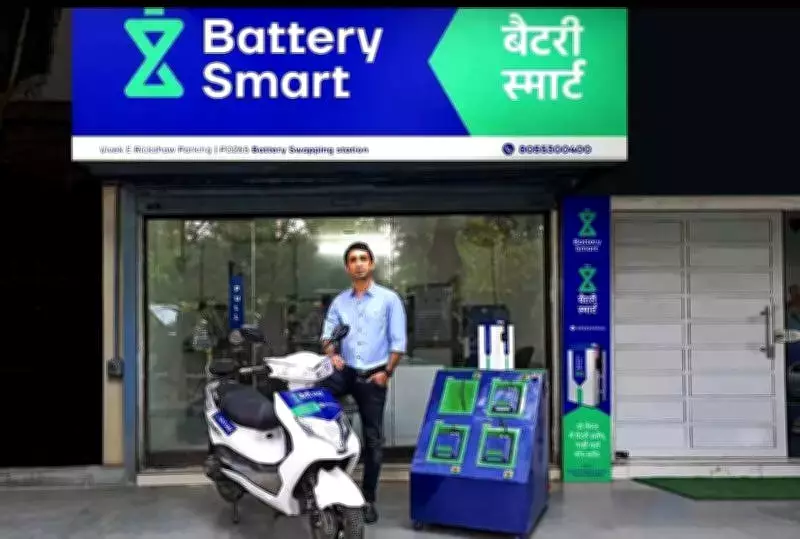
Varanasi Railway Division Pioneers Green Mobility with Battery Swapping Station
In a landmark move for sustainable transportation, the Varanasi division of North Eastern Railway has officially licensed the establishment of a Battery Swapping Station at Banaras Railway Station. This initiative, secured through an e-auction process, sets an annual licence fee of Rs 2.67 lakh, marking the first such project in the Varanasi division.
Enhancing Passenger Convenience and Environmental Sustainability
Ashok Kumar, spokesperson for the Varanasi division, emphasized the station's benefits for passengers, visitors, and last-mile transport services like e-rickshaws and two-wheelers. "This facility will enable quick and convenient battery replacements, saving time on charging, improving local transport efficiency, and encouraging the use of eco-friendly vehicles," he stated.
The station is strategically located in the circulating area of Banaras Railway Station, ensuring optimal use of space without disrupting passenger flow. This setup not only supports green energy goals but also serves as a robust source of non-fare revenue for the Railways.

Aligning with Broader Railway Vision and Innovation
This initiative aligns with Indian Railways' overarching vision for green energy, sustainable infrastructure, and enhanced passenger amenities. The Varanasi division is actively working to improve service quality and develop a cleaner, more efficient transportation system through innovative solutions.
The Battery Smart Swap Station, an Indian network offering Battery-as-a-Service solutions, powers this facility. It allows electric vehicle drivers to swap discharged batteries for fully charged ones in about two minutes, operating on a membership or subscription model to lower initial costs for owners with swappable lithium-ion batteries.
Founded by IIT-Kanpur graduates, Battery Smart has built a widespread network of partner stations across India, promoting convenient electric mobility. This collaboration underscores the division's commitment to leveraging technology for sustainable development.
By integrating such green initiatives, the Varanasi division is setting a precedent for other regions, fostering a future where public transport and last-mile connectivity are both efficient and environmentally responsible.