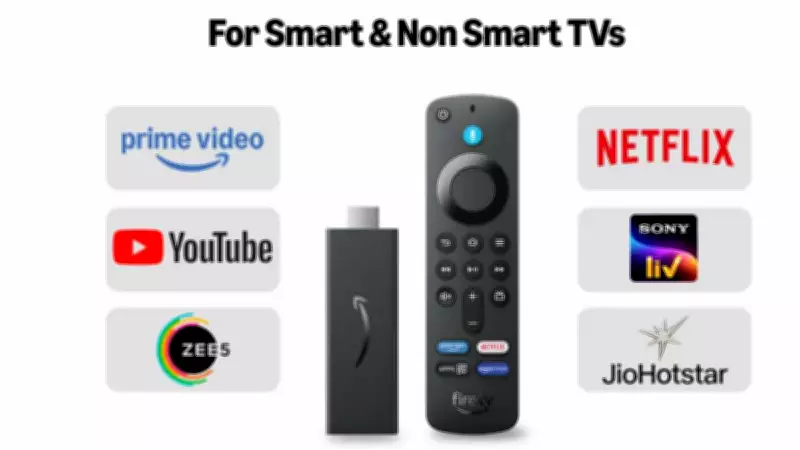
Amazon's Strategic Shift: Vega OS to Replace Android on Fire TV
In a significant move that could reshape the smart TV landscape, Amazon is reportedly planning to replace the Android operating system on its future Fire TV devices with a new in-house platform called Vega OS. According to industry sources, this transition is expected to begin as early as 2026, marking a pivotal shift in Amazon's hardware strategy.
Why Amazon is Moving Away from Android
The decision to develop Vega OS stems from Amazon's desire for greater control over its ecosystem. Currently, Fire TV devices run on a forked version of Android, which limits Amazon's ability to deeply integrate its services and optimize performance. By creating its own operating system, Amazon aims to:
- Enhance User Experience: Vega OS is designed to offer a more seamless and responsive interface, tailored specifically for Fire TV hardware.
- Improve Integration: The new OS will allow tighter integration with Amazon's services like Prime Video, Alexa, and Amazon Shopping.
- Reduce Dependence: Moving away from Android reduces Amazon's reliance on Google's ecosystem, giving the company more autonomy in updates and feature rollouts.
Technical and Market Implications
The development of Vega OS represents a major technical undertaking for Amazon. While details are still emerging, it is believed that the operating system will be based on a Linux kernel, similar to Android, but with a custom user interface and app framework. This could potentially lead to:

- Faster Updates: Without waiting for Google's Android releases, Amazon can push updates more quickly to Fire TV users.
- New App Ecosystem: Developers may need to adapt their apps for Vega OS, though Amazon will likely provide tools to ease this transition.
- Competitive Edge: By controlling the OS, Amazon can better compete with rivals like Roku, Apple TV, and Google's own Chromecast.
Industry analysts note that this move aligns with Amazon's broader strategy of building a cohesive ecosystem across its devices, including Echo smart speakers, Kindle e-readers, and Fire tablets. If successful, Vega OS could set a new standard for smart TV operating systems, emphasizing privacy, customization, and Amazon-centric features.
What This Means for Consumers
For existing Fire TV users, the shift to Vega OS is not expected to happen overnight. Amazon will likely phase in the new operating system gradually, starting with newer models in 2026. Current devices may continue to receive Android-based updates for some time. However, the long-term benefits could include:
- Improved performance and faster load times for apps and content.
- Enhanced voice control via Alexa, with deeper integration into the OS.
- Potential new features exclusive to Vega OS, such as advanced parental controls or better content recommendations.
As Amazon continues to invest in its hardware division, the development of Vega OS underscores the company's commitment to innovation and independence in the competitive streaming device market. While challenges remain, particularly in ensuring app compatibility, this bold move could redefine how users interact with their televisions in the years to come.