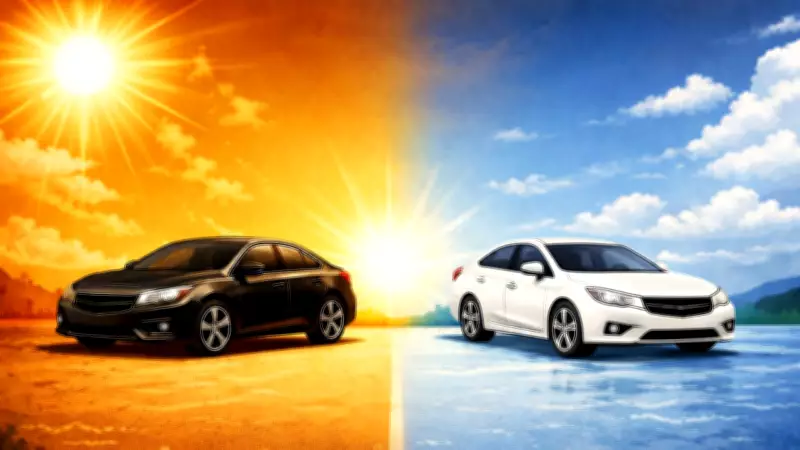
How Vehicle Color Impacts Heat Absorption in Summer Sunlight
As summer temperatures soar, a common question among car owners emerges: does the color of your vehicle influence how much heat it absorbs when parked in direct sunlight? The comparison between black and white cars has become particularly relevant, as these remain among the most popular color choices for vehicles worldwide.
The Science of Color and Heat Absorption
The fundamental issue centers on how different shades interact with sunlight. Sunlight contains both visible light and infrared radiation, which generates heat when absorbed. Darker colors, especially black, absorb most wavelengths of light and convert them into thermal energy. In contrast, lighter colors like white reflect a greater portion of incoming radiation.
Studies conducted in hot climates consistently show that darker-colored vehicles absorb significantly more heat than their lighter counterparts. When parked under identical conditions, black cars register noticeably higher surface temperatures than white vehicles. This temperature difference can be substantial on extremely hot days, though both colors will become uncomfortably warm if left in direct sunlight for extended periods.

Cabin Temperature Dynamics
Inside the vehicle, temperatures rise primarily through the greenhouse effect. Sunlight penetrates through windows, heating interior surfaces such as dashboards, seats, and steering wheels. The trapped heat then raises the overall cabin temperature regardless of exterior color.
However, research indicates that the interior of a black car can still be several degrees warmer than that of a white car under similar conditions. This difference, while measurable, is often less significant than many drivers might expect.
Factors Beyond Exterior Color
Interior design elements play a crucial role in heat retention. Dark dashboards and upholstery absorb and hold more heat than lighter materials. In many cases, cabin color and material choices have a greater influence on perceived temperature than exterior paint color alone.
Modern vehicles incorporate various features to combat heat buildup:
- Tinted windows that reduce solar radiation penetration
- Reflective windshield covers that block direct sunlight
- Ventilated seats that improve air circulation
- Advanced air conditioning systems that cool cabins more efficiently
These technological solutions often prove more effective at maintaining cabin comfort than color selection alone.
Practical Implications for Car Buyers
For consumers in hotter regions, lighter exterior shades may offer limited advantages in heat reduction. However, the temperature difference between black and white vehicles is typically not substantial enough to outweigh other considerations such as personal preference, resale value, or maintenance requirements.
Practical measures can significantly reduce cabin heat regardless of vehicle color:
- Parking in shaded areas whenever possible
- Using reflective sunshades on windshields and windows
- Opening windows briefly before entering to release trapped hot air
- Utilizing remote start features to activate air conditioning before entering
While black cars generally absorb more solar radiation and reach higher surface temperatures, overall driving comfort depends on multiple factors beyond paint color. Vehicle design, interior materials, window treatments, and climate control systems all contribute significantly to cabin temperature management.
As automotive technology continues to evolve, manufacturers are developing new materials and coatings that can help regulate vehicle temperatures regardless of exterior color. These innovations may eventually reduce the thermal differences between dark and light-colored vehicles, making color selection primarily an aesthetic choice rather than a practical consideration for temperature control.