

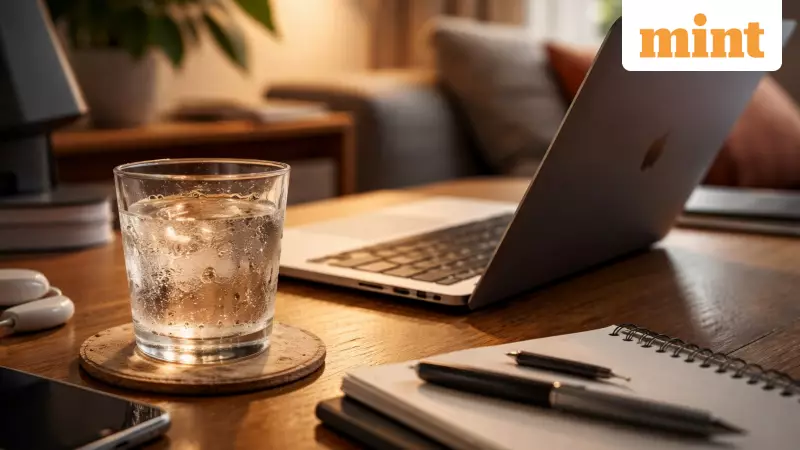
For millions of professionals and students across India, the daily ritual is familiar: laptop open, work in progress, and a trusted mug of coffee or bottle of water within easy reach. This setup feels efficient and safe, reinforcing a habit that continues day after day. However, tech experts and repair technicians are sounding the alarm on this common practice, warning that it poses a silent, long-term threat to the health of your expensive device.
The Invisible Threat: How Minor Moisture Causes Major Damage
Contrary to dramatic portrayals, catastrophic laptop failure from a full glass of water spilling over the keyboard is not the most common scenario. The real danger is far more insidious. Damage often stems from a few unnoticed drops—condensation from a cold water bottle, steam from a hot cup of tea, or a tiny splash from your morning brew. These small amounts of liquid slowly seep into the machine's internals.
Modern laptops, with their sleek, thin, and tightly packed designs, offer little room for this moisture to evaporate. Once inside, the liquid begins a slow process of corrosion on sensitive electrical components, connectors, and even near the battery. The deceptive part is the timing. Your laptop may continue to function perfectly for days or even weeks after the exposure, lulling you into a false sense of security. The problems only surface much later, often as unresponsive keys, erratic touchpad behaviour, or charging port failures—by which time the corrosion has spread significantly.

Why Heat, Food, and Modern Designs Amplify the Risk
Several factors common to Indian workspaces accelerate this damage. The heat generated by a laptop under load, combined with the steam from a hot beverage, increases condensation, especially in air-conditioned rooms. This creates a perfect storm for internal moisture buildup.
Eating at your desk introduces another layer of risk. Crumbs can lodge under keys and block ventilation, while sugary drinks are particularly unforgiving. Even minor splashes leave sticky residues that interfere with electrical circuits. Cleaning these properly often requires disassembling the laptop, a step most users avoid until it's too late.
Furthermore, the robust, sealed designs of newer laptops, while aesthetically pleasing, can make repairs more difficult and expensive. A small spill that might have once affected a single, replaceable component can now necessitate the replacement of an entire keyboard assembly or logic board. This turns a minor accident into a major financial setback.
The Simple, Non-Negotiable Habit for Laptop Longevity
The solution, though simple, requires breaking a deeply ingrained habit. The safest practice is to completely remove drinks from the same surface as your laptop. This doesn't mean nudging your cup to the side or placing it just behind the device. It means using a separate side table, a trolley, or any other surface that is not connected to where your laptop rests.
Additional protective measures include using bottles or travel mugs with secure, screw-top lids and making a conscious effort to pause your work when taking a sip, rather than reaching over the keyboard. These small changes in behaviour can prevent the slow, quiet failure that stems from cumulative, unnoticed exposure.
Published on 26 December 2025, at 03:04 PM IST, this advisory from tech journalist Bharat Sharma highlights a critical but overlooked aspect of gadget care. As technology becomes more integral to solving daily challenges, protecting our investments requires mindful habits. The message is clear: don't let a normal work routine lead to an expensive repair bill that you never saw coming.






