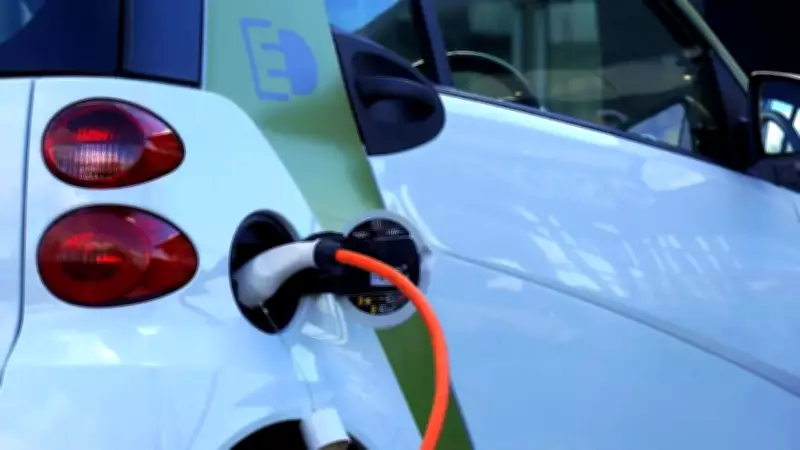
Essential Home EV Charging Safety Tips for Indian Owners
Electric vehicles are rapidly becoming a mainstream sight across India's urban landscape. Electric scooters now weave through city traffic daily, while more families are adopting EV cars as their secondary or even primary mode of transportation. This surge in adoption brings a critical focus to home charging infrastructure, as public charging stations continue their gradual expansion across the country.
For most EV owners, home charging offers unparalleled convenience and significant cost savings compared to public alternatives. However, like any sophisticated electrical appliance, charging an electric vehicle demands careful attention to safety protocols to ensure optimal performance and prevent potential hazards.
Use Manufacturer-Provided Chargers Exclusively
The first and most fundamental rule is to always use the charger supplied by your vehicle's manufacturer. EV chargers are meticulously engineered to work in perfect harmony with the specific battery management system of each vehicle model. While third-party chargers might appear harmless initially, they can lead to unstable charging patterns, reduced battery efficiency, and dangerous overheating over extended periods.

Install Dedicated Charging Sockets
Many electric vehicles sold in the Indian market come equipped with portable chargers designed to plug into standard wall sockets. For optimal safety and performance, installing a dedicated socket specifically for your EV is highly recommended. Charging sessions typically last several hours and draw consistent, substantial power. Sharing a socket with other household appliances risks circuit overloads and potential electrical fires. A properly installed 15-ampere socket with robust earthing provides the ideal foundation for safe home charging.
Choose Appropriate Charging Locations
The physical environment where you charge your vehicle is equally important. Select a parking spot that remains dry and offers reasonable ventilation. This precaution becomes particularly crucial during India's monsoon season when water accumulation in parking areas poses significant electrical risks. For electric scooter owners with removable batteries, avoid placing batteries directly on the floor for charging. Instead, use a stable table or shelf to prevent moisture exposure and physical damage.
Avoid Extension Boards and Cables
One of the most common mistakes EV owners make is relying on extension boards for charging convenience. While extension cables might seem practical, they can generate substantial heat during prolonged charging sessions, creating fire hazards. The safest approach is always connecting your EV charger directly to a high-quality wall socket without any intermediaries.
Monitor Charging Sessions and Equipment
Modern electric vehicles typically feature automatic charging cessation when batteries reach full capacity. Despite this automation, developing good monitoring habits remains essential. While constant supervision isn't necessary, avoid leaving your vehicle plugged in for excessively extended periods beyond full charge. Additionally, regularly inspect your charging cable for any signs of wear, including:
- Visible cuts or abrasions in the cable insulation
- Loose or damaged connectors
- Unusual heat generation during charging
Immediately replace any compromised charging equipment to maintain safety standards. As India's electric vehicle revolution accelerates, these fundamental home charging practices will ensure that your transition to cleaner transportation remains both convenient and secure.