

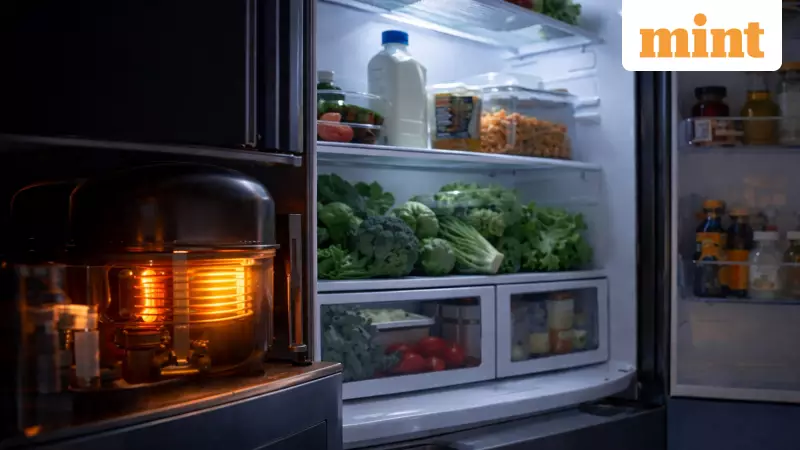
In the bustling rhythm of Indian kitchens, the refrigerator stands as a silent sentinel. Yet, its influence on daily life—from food waste to electricity bills—is profound. A significant but often overlooked technological shift is redefining this experience: the move from conventional compressors to inverter compressors. This upgrade, subtle on the surface, fundamentally alters how a fridge cools, sounds, and endures over years of service.
The Hidden Compromise of Conventional Fridges
For decades, households have adapted to the limitations of refrigerators without a second thought. The cycle is familiar: a sudden hum pierces the quiet, the appliance works aggressively, and then it falls silent again. This is the signature of a traditional compressor. It operates in an all-or-nothing manner, switching on at full power to cool the interior and then shutting off completely once the target temperature is reached.
This constant cycling creates a temperature rollercoaster inside. Food endures periods of overcooling followed by slight warming. The consequences are tangible but often accepted as normal: leafy greens wilt faster, dairy products sour prematurely, and ice cream develops an uneven texture. Consumers unconsciously develop habits—making more frequent, smaller grocery trips or strategically placing items on certain shelves to avoid cold spots. As noted in reports, this background compromise only becomes evident when one upgrades to a refrigerator with newer technology.

The Inverter Compressor: A Smarter, Adaptive Heart
The inverter compressor changes this dynamic entirely. Instead of the jarring on-off cycle, it employs a variable-speed motor that adjusts its cooling intensity based on real-time need. When the door is opened frequently during meal prep, it ramps up power. During stable, quiet periods, it slows to a gentle hum, merely maintaining the set temperature.
The benefits of this intelligent adaptation are multi-fold:
- Enhanced Food Freshness: By maintaining a more consistent temperature, food preservation is significantly improved. Vegetables retain crispness longer, and dairy products enjoy an extended shelf life.
- Remarkable Noise Reduction: The absence of loud, periodic clicks and hums makes the refrigerator noticeably quieter. This is a boon for open-plan kitchens and compact Indian apartments where the kitchen blends with living spaces.
- Increased Durability and Efficiency: The compressor faces less mechanical stress by avoiding constant hard starts and stops. This leads to greater energy efficiency and is why manufacturers often back inverter compressors with longer warranties.
Why This Matters for Indian Households
The Indian context makes this technological shift particularly relevant. Kitchens here face unique challenges: frequent door openings, high ambient temperatures, and unpredictable power fluctuations. A refrigerator with an inverter compressor doesn't just react to these conditions; it adapts seamlessly. It provides stable cooling without overexerting itself, ensuring reliability and consistent performance even during peak summer months.
While flashy features like convertible zones and smart app controls grab attention on showroom floors, the core compressor technology is what defines long-term satisfaction. The inverter compressor isn't a feature you demonstrate to guests, but it is the one that quietly eliminates the small, daily compromises people have learned to live with. For anyone considering a new refrigerator, prioritizing this upgrade ensures the appliance feels better to live with long after the novelty of a new purchase has faded.
The information highlights a crucial point in modern appliance choice, urging consumers to look beyond surface-level specs. As of December 30, 2025, this evolution in cooling technology continues to be a key differentiator in the market, championed by experts for its holistic improvement to everyday life.






