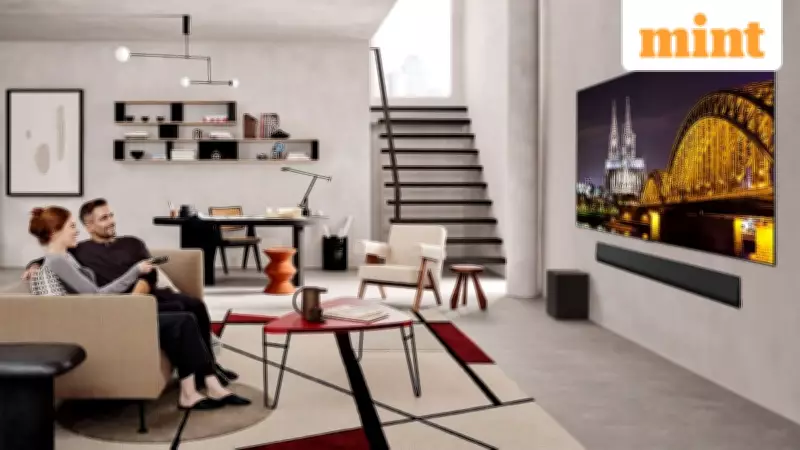
LG G5 vs Haier M80F: The Ultimate TV Technology Showdown
For television enthusiasts, this is an exceptionally exciting era, with OLED, QLED, and Mini-LED technologies making remarkable advancements in visual performance. The market is currently dominated by two compelling contenders: the LG G5, which introduces the groundbreaking 4-layer 'Primary RGB Tandem' OLED display, and the Haier M80F, positioning itself as the budget-friendly champion of Mini LED TVs. As these flagship models compete for consumer attention, let's explore their features, strengths, and weaknesses to determine which television might be the ideal choice for your home entertainment setup.
Haier Mini LED M80F Series: The Budget-Friendly Powerhouse
Beginning with the Haier M80F, the initial standout feature is undoubtedly the innovative remote control. This compact, flat-edged device is designed for effortless one-handed operation. Its most distinctive attribute is the integrated solar panel at the bottom, allowing for eco-friendly recharging via sunlight or a standard Type-C charger. While practical charging via sunlight may be infrequent, this thoughtful addition enhances the product's sustainability appeal.
The remote boasts a sleek aesthetic, though the black solar panel section feels somewhat underutilized. The buttons are closely arranged, providing a secure grip. However, the home button is notably small and challenging to locate in low-light conditions. Constructed from plastic, some users might prefer a more premium aluminium build. Despite these minor drawbacks, the remote remains functional and user-friendly.

The Haier M80F itself is available in four screen sizes: 55-inch, 65-inch, 75-inch, and 85-inch, all featuring 4K resolution. Utilizing mini-LED backlighting technology, it delivers deeper blacks and enhanced brightness, peaking at 800 nits. The design is impressively clean, with a uniform, non-bulky rear panel that transitions smoothly from the edges. A textured back adds a premium tactile feel when viewed from behind.
With razor-thin bezels (excluding the bottom), the television offers solid visual appeal. Mini LEDs excel in bright environments, and the M80F performs admirably in daytime settings, supported by precise dimming zones for optimal contrast. It includes Dolby Vision for enriched HDR content and MEMC technology for smoother motion handling. Viewing angles are robust, and connectivity options are comprehensive: two USB-A ports, an HDMI port, and an antenna port on the side, with additional ports like LAN on the bottom.
The Haier M80F operates on Google TV, based on Android 14, and features a 50-watt speaker system enhanced by 'sound by KEF'. A significant drawback is noticeable lag when opening apps and navigating content, which is slower compared to other televisions. If a future software update addresses this issue, the M80F would become a more compelling recommendation. Currently, the 85-inch variant is priced at ₹1,89,990, while the 65-inch model is available for ₹83,990, making it an attractive option during sales.
LG G5 OLED: The Picture Quality Champion
LG has long reigned supreme in the OLED television market, and the G5 model reinforces this dominance with its innovative four-layer tandem OLED stack. At launch, the 55-inch version was available for approximately ₹1,50,000, representing exceptional value for a premium product.
For 2025, the LG G5 achieves heightened brightness through advanced panel technology and upgraded image processing, powered by an enhanced AI processor. The standout feature is the new panel, which boasts a peak brightness of 4000 nits, delivering vibrant HDR and creamy contrast. This television excels with deep blacks and vivid colors, making every detail in 4K content pop with remarkable clarity.
Connectivity is extensive, with four HDMI 2.1 ports supporting 4K at 120Hz, Wi-Fi 6E, three USB ports, optical audio, and ethernet. The redesigned Magic Remote includes an AI button for content recommendations, though it reverts to a flat rectangular shape that is lighter but less ergonomic. Additional buttons include an accessibility feature and a TV guide, while curiously omitting an input button—a design choice that may prove inconvenient.

WebOS provides the interface, which can feel cluttered; disabling "Content Recommendation" and "Home Promotion" in settings improves the user experience. However, the true highlight is the picture quality. Brightness has improved with a higher sustained average, and performance in Filmmaker Mode is unparalleled. Color accuracy, smooth motion handling, and dynamic range are exceptional, with whites achieving impressive brightness without compromising color integrity.
The LG G5 utilizes Brightness Boosting Ultimate Tech to magnify individual pixels, alongside a four-layer design with two blue filter layers and anti-reflective treatment for glare-free viewing. Viewing angles are excellent with no color shift. Shadow detail in dark scenes is particularly awe-inspiring, and gaming performance is reportedly strong, though limited testing was conducted.
A notable weakness is the underwhelming 60W 4.2-channel speaker system with Dolby Atmos support; most users will likely prefer pairing the television with a soundbar. Overall, the LG G5 OLED stands as one of the finest televisions available, offering jaw-dropping value at its price point, especially for those prioritizing picture quality above all else.
The Competitive Landscape: Sony and Samsung Alternatives
In the OLED category, Sony remains a formidable competitor. The Sony Bravia 8 II is acclaimed for its out-of-the-box tuning, requiring minimal adjustments for optimal viewing. However, it is significantly more expensive at ₹3,67,900, lacks ports, and cannot match the brightness of some rivals.
For Mini-LED options, the Sony Bravia 9 and Samsung Neo QLED QN90F are top contenders. These models offer excellent local dimming, high brightness, and matte coatings to reduce reflections, making them ideal for bright rooms. They deliver superior color accuracy and HDR performance. The Sony Bravia 9 retails for ₹5,98,900, while the Samsung Neo QLED QN90F starts at ₹1,20,690 for the 55-inch variant, providing a range of choices for different budgets and preferences.
Final Recommendations: Choose the LG G5 if you seek unparalleled OLED picture quality and are willing to invest in a separate soundbar. Opt for the Haier M80F if you desire a budget-friendly Mini LED TV with solid performance, especially during sales. Consider Sony or Samsung alternatives if you have specific needs for out-of-the-box tuning or advanced Mini-LED features. Ultimately, your decision should hinge on budget, viewing environment, and priority between cutting-edge OLED technology and cost-effective Mini LED solutions.