

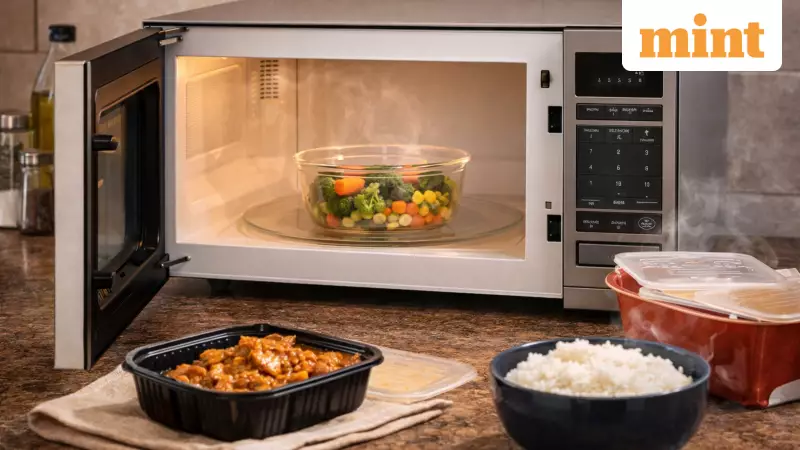
In countless Indian kitchens, the humble microwave oven is a daily companion for reheating leftovers, defrosting meals, and quick cooking. Yet, it is often surrounded by a cloud of suspicion and whispered warnings. From fears of "radiation leaks" to beliefs about "killed nutrients," the appliance's reputation is frequently at odds with scientific reality. An updated analysis from January 7, 2026, cuts through the noise, revealing that the true risks stem not from the machine's technology but from how we use it.
The Radiation Fear: Separating Science from Scare
The core of most microwave anxiety lies in the word "radiation." For many, it conjures images of harmful energy. However, the radiation used in microwaves is non-ionising radiation. Unlike the ionising radiation from X-rays or UV rays that can damage cell DNA, microwave radiation simply agitates water molecules within food to generate heat. This technology is decades old and rigorously tested.
Modern consumer microwaves are designed with multiple safety layers. The waves are contained within a sealed metal cavity, and safety interlocks ensure the magnetron—the component that generates the waves—shuts off instantly the moment the door is opened. The notion of dangerous radiation leaking into your kitchen is largely a myth, applicable only if the door is visibly damaged, bent, or fails to seal properly.

Where Real Microwave Hazards Actually Lurk
If the appliance itself is largely safe, where do the risks originate? The answer often lies on our kitchen shelves and in our habits.
The primary danger comes from the containers we use. Heating food in cheap, non-microwave-safe plastics is a common pitfall. These containers can warp, melt, or leach chemicals like BPA into your food when subjected to heat. This risk is amplified by everyday practices in Indian households, such as reheating leftovers in old takeaway boxes, using flimsy plastic lids, or repurposing random containers. The simple and safer alternative is to use glass or ceramic cookware, which heats evenly and does not leach chemicals.
Another genuine concern is uneven heating. Microwaves heat food from the inside out, but not uniformly. This can result in food that is scalding hot in one spot and cold in another, a particular issue with dense foods like rice or thick Indian curries. This uneven temperature distribution is a leading cause of mouth burns. The solution is straightforward: stir food midway through heating and spread it out on the plate to ensure even exposure to the microwaves.
Nutrient Loss: Is the Microwave the Culprit?
A pervasive belief is that microwaving "zaps" or destroys the nutrients in food. Scientific evidence suggests otherwise. In many cases, microwaving can better preserve vitamins and minerals compared to methods like boiling, which leaches nutrients into water. Because microwave cooking is faster and often uses little to no water, heat-sensitive nutrients in vegetables are better retained.
The real enemy of nutrition is overcooking, which can occur with any heat source—be it a gas stove, oven, or microwave. The key is to cook food just until it's done, regardless of the method.
Ultimately, the microwave is neither a miraculous device nor a hidden menace. It is a convenient heating tool. The actual safety equation depends less on fears of radiation and more on informed usage: choosing the right containers, ensuring even heating, and updating outdated habits. By making these simple adjustments, the microwave can reclaim its role as a quick, convenient, and perfectly safe fixture in the modern Indian home.






