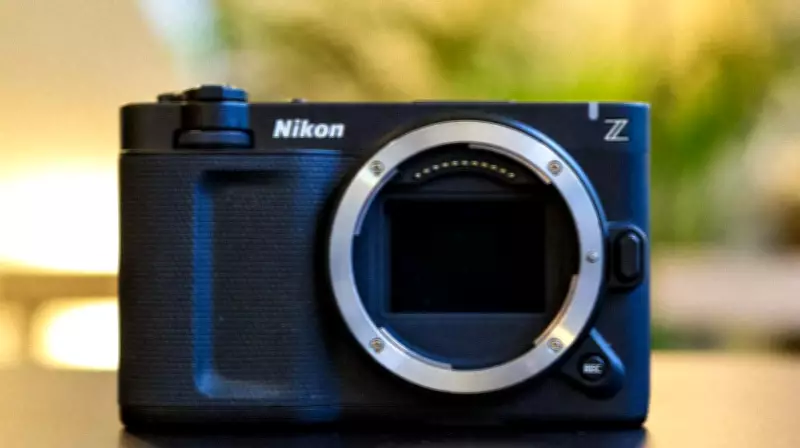
Nikon ZR Camera: RED RAW Power at an Unprecedented Price Point
RED cameras have long been synonymous with Hollywood productions, favored by serious cinematographers and often out of reach for independent filmmakers due to their steep costs. Even the more budget-friendly RED Komodo starts at over Rs 5,00,000 for just the body, excluding lenses and accessories. In a groundbreaking move, Nikon, which acquired RED in 2024, has unveiled the Nikon ZR, a camera that records RED's RAW format for a remarkable Rs 1,86,995, turning heads across the filmmaking community.
Introducing the Nikon ZR: A Game-Changer in Cinema Technology
The Nikon ZR is a revolutionary device that captures 6K video in RED's R3D format, incorporates built-in 32-bit float audio, and weighs approximately as much as a large mango. Based on the Nikon Z6 III platform, it shares the same sensor and autofocus capabilities but is redesigned for video work, removing the viewfinder and reshaping the body while integrating RED's renowned colour science. This camera essentially functions as a Z6 III that has undergone specialized film training.
It is important to note that the ZR is not a disguised RED camera. It records 12-bit R3D NE files, not the 16-bit versions found on higher-end models like the Komodo or Raptor, and utilizes Nikon's sensor technology. However, for filmmakers curious about RED's colour pipeline without the exorbitant expense, the ZR represents the first realistic entry point. This launch is particularly timely, following closely on the heels of Canon's EOS C50 announcement and competing against established players like Sony's FX3 and Blackmagic's offerings.

Design and Usability: A Cinema-Focused Approach
The ZR features a unique flat rectangular design measuring 134 x 80.5 x 49mm, resembling a portable hard drive more than a traditional cinema camera. Weighing 540 grams without the battery, it is exceptionally light, making it ideal for use on gimbals, cages, and tripods. However, the shallow grip can be uncomfortable for extended handheld use, necessitating accessories like a SmallRig cage for better handling.
A standout feature is the 4-inch rear screen with 3.07 million dots and 1,000 nits brightness, offering excellent visibility even in direct sunlight and accurate DCI-P3 colour representation. Controls are minimal, with a record button, zoom rocker, three programmable buttons, and touchscreen navigation, though the menu system retains a photography-first orientation that may require firmware updates for optimal video use.
Design drawbacks include a fragile micro-HDMI port and bottom-mounted card and battery slots, which can be inconvenient during shoots. Despite these issues, the ZR's weather sealing and fanless design ensure durability and quiet operation, crucial for audio recording.
Performance and Features: RED Colour Science and Advanced Autofocus
The ZR's headline feature is its ability to record R3D NE files at up to 6K 60fps, leveraging RED's IPP2 colour pipeline for film-like quality with adjustable metadata for white balance, ISO, and colour space in post-production. While it differs from RED cameras in ISO handling, its dual base ISO system (800 and 6400) aids in various lighting conditions.
Beyond R3D NE, the camera supports multiple codecs including N-RAW, ProRes RAW HQ, and H.265, along with RED's Picture Controls for in-camera colour grading. The autofocus system, borrowed from the Z6 III, provides reliable tracking of subjects, setting it apart from competitors like Blackmagic and RED, which offer limited or no autofocus capabilities.
Additional features include 32-bit float audio recording internally, eliminating the need for external recorders, and compatibility with various lens systems via the Nikon Z mount. The in-body image stabilization (IBIS) offers 7.5 stops of correction, though gimbals are recommended for dynamic shots.

Market Position and Verdict
Priced at Rs 1,86,995, the Nikon ZR stands alone in offering R3D RAW recording, 6K video, internal 32-bit audio, autofocus, and IBIS in a compact form. It undercuts competitors like the Sony FX3 and Canon EOS C50 while providing superior features. Although it has minor flaws such as battery life limitations and menu inefficiencies, the ZR democratizes cinema-quality video production, making high-end filmmaking accessible to a broader audience. This first-generation product sets a promising precedent for future innovations from Nikon and RED.
Our rating: 4/5