

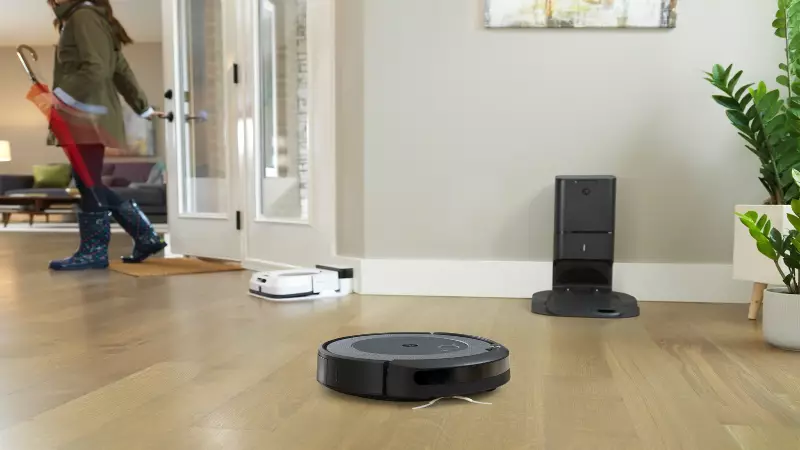
In a dramatic turn for a pioneer of consumer robotics, the American company iRobot, famed for its Roomba vacuum cleaners, has officially filed for bankruptcy protection. The beleaguered firm is set to be taken over by one of its key Chinese suppliers, a move that has ignited significant discussions around data security and the shifting dynamics of the global tech industry.
From Pioneer to Bankruptcy: The iRobot Journey
Founded back in 1990 by MIT roboticist Rodney Brooks along with his students Colin Angle and Helen Greiner, iRobot was built on innovative principles inspired by simple biological systems. The company truly revolutionized home cleaning with the launch of its Roomba robotic vacuum in 2002. This device quickly transcended its utility to become a pop-culture icon, selling millions of units and making automated floor cleaning a common feature in households worldwide.
The company's valuation soared to a peak of $3.56 billion in 2021, a period marked by heightened demand for home products during the pandemic. However, the path soon grew rocky. iRobot faced a perfect storm of challenges including severe supply chain disruptions, intense competition from cheaper rivals, and its heavy reliance on manufacturing imports from Vietnam.

The Failed Amazon Deal and Chinese Acquisition
A potential lifeline emerged in 2022 when e-commerce titan Amazon agreed to acquire iRobot for $1.7 billion. This deal, which would have ranked as Amazon's fourth-largest acquisition, was ultimately blocked by European regulators over competition concerns. The agreement was terminated in January 2024, with Amazon paying a $94 million breakup fee to iRobot.
With its fortunes dwindling, iRobot filed for Chapter 11 bankruptcy in Delaware on Tuesday. Its new owner is Picea Robotics, a Shenzhen-based subsidiary of iRobot's main supplier. Picea is a major player itself, with over 7,000 employees globally and sales exceeding 20 million robotic vacuum cleaners. It maintains research, development, and production facilities in both China and Vietnam. Following this acquisition, iRobot's valuation has plummeted to approximately $140 million, a stark contrast to its pandemic-era highs.
Market Position and Mounting Privacy Concerns
Despite its financial troubles, iRobot's Roomba retains a stronghold in key markets, commanding about 42% of the US market and a dominant 65% share in Japan for robotic vacuum cleaners. This market presence is precisely why the acquisition by a Chinese entity is raising eyebrows among analysts and policymakers.
The core concern revolves around data privacy and potential surveillance risks. Robotic vacuums like Roomba use sophisticated mapping technology to navigate homes, creating detailed floor plans. When Amazon sought to buy iRobot, similar fears were voiced about the e-commerce giant gaining access to intimate home layout data. Now, those concerns are amplified with the shift to Chinese ownership, given the stringent data laws and state oversight in China.
Expressing dismay at the development, iRobot co-founder Helen Greiner stated in a LinkedIn post that the company's restructuring under a Chinese owner is not advantageous for "consumers, employees, stockholders, Massachusetts or the USA." This sentiment underscores the geopolitical and economic tensions embedded in the transaction, marking a poignant end for an iconic American innovator in the consumer tech space.






