

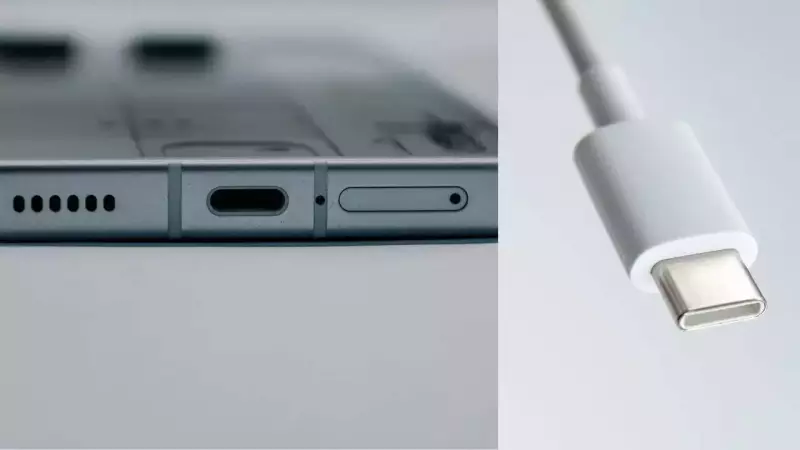
For most smartphone users in India, the USB Type-C port is simply where the charging cable goes. The routine is familiar: plug in to power up, unplug, and carry on. However, this small, oval-shaped connector at the bottom of modern devices holds a suite of capabilities that remain largely untapped, transforming how we can use our phones daily.
Beyond the Battery: Unlocking Hidden Utilities
Conceived as a universal standard, the USB Type-C port silently manages functions that once required a tangle of different cables, dedicated ports, or additional gadgets. These features are not locked behind premium paywalls or buried in complex menus; they are built into the phones we already own but are frequently overlooked. From sharing power to creating a makeshift workstation, this port can significantly enhance convenience in everyday scenarios.
Your Phone as an Emergency Power Bank
It may seem counterintuitive, but your smartphone can act as a power source for other devices. Many contemporary smartphones support reverse charging via the Type-C port. This functionality allows your phone to output power, not just receive it.

Using a standard Type-C to Type-C cable, you can provide a vital boost to smaller gadgets like wireless earbuds, smartwatches, fitness bands, or even another phone in a pinch. While not intended for a full recharge, this feature can be a lifesaver when no power outlet is available. It often goes unused simply because most users are unaware their device can perform this role.
High-Speed Data Transfer Without Wi-Fi Hassles
While wireless sharing options like Quick Share are convenient, they can be slow and unreliable for large files, especially with unstable networks. The Type-C port offers a robust alternative.
By directly connecting two phones with a Type-C cable, you can enable rapid and dependable file transfers. One device can access the other's storage, allowing for quick copying of large videos, folders, or backup files. For professionals or anyone regularly moving big data, this wired method remains one of the fastest and most secure options available.
Transform Your Phone into a Compact Desktop
With minimal accessories, your phone can mimic a basic computer setup. The Type-C port allows for direct connection of peripherals. By plugging in a USB hub or a Bluetooth dongle, you can use a wireless keyboard and mouse with your phone.
This is ideal for typing long documents, composing detailed emails, or managing messages over extended periods. It also serves as a practical workaround if your phone's touchscreen is cracked or unresponsive—a mouse can handle navigation until you get it repaired. Some advanced phone models even support a desktop-style interface when connected to an external monitor, though this feature varies by brand and software.
Stream Content Directly to Your TV
You don't need a smart TV or a stable internet connection to watch your phone's content on a big screen. Many smartphones support video output directly through the Type-C port.
With an inexpensive HDMI to Type-C adapter or cable, you can connect your phone to a television or monitor and mirror the display. This lets you instantly enjoy films, web series, or personal videos downloaded on your phone on a larger display, bypassing the need for casting apps or internet-dependent streaming.
Wired Audio Is Still Alive and Well
As the traditional 3.5mm headphone jack vanishes, wired audio has migrated to the Type-C port. Many earphones now come with built-in Type-C connectors, while others work seamlessly with a small, inexpensive adapter.
For audiophiles and gamers, this wired connection maintains clear advantages, offering superior sound quality and virtually zero latency compared to Bluetooth. Gamers, in particular, prefer it to avoid audio delays and connection drops during crucial moments, all without needing extra configuration.
Why Are These Features Still a Secret?
The primary barrier isn't complexity; it's a lack of awareness. Manufacturers heavily promote charging speeds and camera specs, while the versatile potential of the Type-C port stays in the background. Many users stumble upon these functions only by accident or in moments of necessity, having long underutilized their device.

The USB Type-C port was engineered to consolidate and simplify, replacing numerous older cables with one adaptable standard. For the curious user willing to explore, it unlocks a range of practical, everyday applications. Charging your phone is merely the starting point of what this powerful little port can achieve.





