

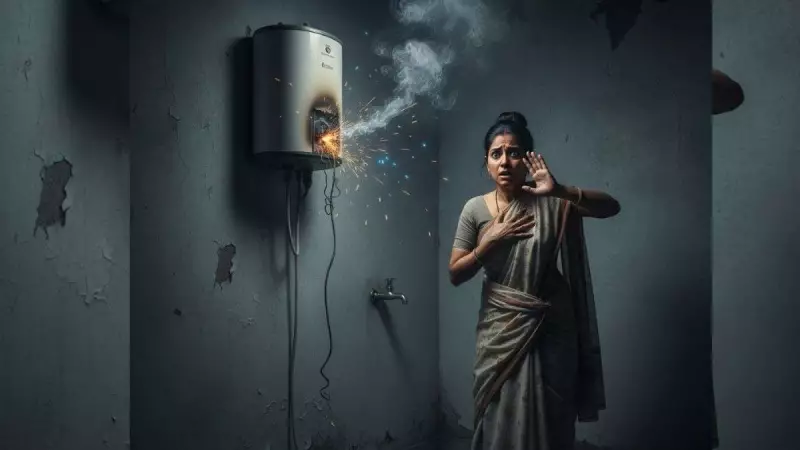
Electric Water Heater Safety: A Critical Guide to Prevent Fatal Accidents
Electric water heaters, commonly known as geysers, are essential appliances in many Indian households. They provide hot water for bathing and cleaning. However, these devices can turn deadly if safety precautions are ignored. Recent incidents highlight the urgent need for awareness. This guide outlines vital steps to ensure your water heater does not become a life-threatening hazard.
Why Water Heaters Pose Serious Risks
Water heaters combine electricity and water, a dangerous mix if not managed correctly. Faulty wiring, poor installation, or lack of maintenance can lead to electric shocks, fires, or even explosions. In some cases, these accidents have resulted in fatalities. Understanding the risks is the first step toward prevention.
Essential Safety Precautions You Must Follow
To keep your family safe, adhere to these key precautions. They are simple yet effective in averting disasters.

- Professional Installation is Non-Negotiable
Always hire a certified electrician to install your water heater. DIY setups often lead to loose connections or incorrect wiring. A professional ensures proper earthing and compliance with safety standards. This reduces the risk of electrical faults significantly.
- Regular Maintenance Checks
Inspect your water heater at least once a year. Look for signs of wear, such as frayed wires or corrosion. Clean the tank to prevent sediment buildup, which can cause overheating. Schedule professional servicing if you notice any issues.
- Use Safety Devices
Install a Residual Current Device (RCD) or Earth Leakage Circuit Breaker (ELCB). These devices cut off power during electrical leaks, preventing shocks. Also, ensure your geyser has a pressure relief valve to avoid explosions from excessive pressure.
- Avoid Overloading Circuits
Do not plug your water heater into an overloaded socket. Use a dedicated power outlet with the correct voltage rating. Overloading can cause short circuits and fires. Check your home's electrical load capacity if unsure.
- Keep the Area Dry and Ventilated
Install the water heater in a dry, well-ventilated space. Moisture increases the risk of electrical shorts. Avoid placing it near flammable materials like curtains or paper. Proper ventilation prevents heat buildup and potential fires.
- Educate Household Members
Teach everyone in your home about water heater safety. Warn them not to touch the appliance with wet hands. Explain how to turn it off in emergencies. Awareness can prevent careless mistakes that lead to accidents.
Common Mistakes to Avoid
Many accidents occur due to simple oversights. Avoid these common errors to enhance safety.
- Ignoring Warning Signs: Do not dismiss strange noises, sparks, or frequent tripping of circuit breakers. These indicate underlying problems that need immediate attention.
- Using Damaged Cords: Replace frayed or cracked power cords promptly. Damaged cords can cause electric shocks or fires.
- Neglecting the Thermostat: Set the temperature to a safe level, typically below 60°C. High temperatures can cause scalding and increase pressure risks.
- Forgetting to Turn Off: Switch off the water heater when not in use, especially during vacations. This saves energy and reduces the risk of malfunctions.
What to Do in Case of an Emergency
If you suspect a problem with your water heater, act quickly. Turn off the power at the main switch immediately. Do not attempt to repair it yourself if you are not trained. Call a professional electrician or the manufacturer's service center. In case of a fire, use a fire extinguisher and evacuate the area. Contact emergency services if needed.
Water heaters are convenient but demand respect for safety protocols. By following these precautions, you can enjoy hot water without risking lives. Stay vigilant and prioritize safety in every step.






