

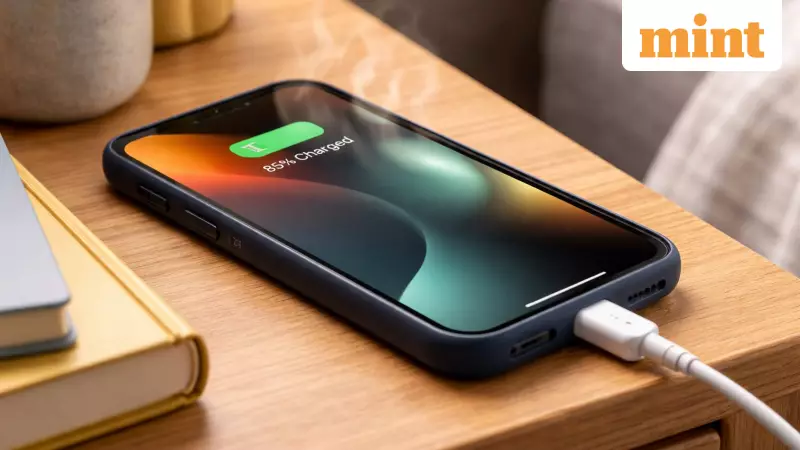
Have you ever picked up your smartphone while it's plugged in and felt an unexpected warmth? That slight heat under your fingertips is a common experience, but it often sparks a moment of doubt. Is this normal, or is something wrong? More importantly, does the protective case you've lovingly fitted around your device make the situation worse?
The Science Behind Charging Warmth
First, let's address the core fact: phones heating up during charging is completely normal. The process of pushing electrical energy into a lithium-ion battery inherently generates heat. Modern smartphones are engineered with this reality in mind. They incorporate sophisticated thermal management systems that automatically slow down the charging speed if temperatures rise and can even pause charging altogether if a safety threshold is crossed. This isn't a malfunction; it's a protective feature designed to safeguard your battery.
The real variable isn't the generation of heat, but how effectively that heat can escape the device's body. This is where your daily habits and accessories come into play.

When Your Phone Case Matters Most
For the majority of users with slim, everyday cases made of materials like silicone, TPU, or leather, the impact is minimal. These cases may trap a marginal amount of warmth, but not enough to disrupt the phone's thermal balance during standard, overnight charging. Millions charge their phones this way without any long-term issues.
The dynamic changes significantly with bulkier protection. Rugged cases, wallet-style covers, and heavy-duty armor designed to survive drops add a layer of insulation. When you engage in fast charging or power-intensive activities while plugged in, this insulation causes heat to build up more rapidly and dissipate more slowly. Your phone might respond by noticeably throttling the charging speed, or the warmth may linger long after you unplug. In some instances, particularly with wireless charging, the phone may temporarily halt charging to cool down.
Wireless charging itself is a less efficient process than wired charging, converting more energy into excess heat. Combining a thick case—especially one with metal plates or magnets for alignment—with wireless charging creates a scenario where the phone has to manage significant heat with very few avenues for escape.
Practical Advice for Smart Charging
Does this mean you should remove your case every single time you charge? For most people, that is neither practical nor necessary. However, being strategic can benefit your battery's long-term health.
Consider taking off a thick case during situations that generate compound heat:
- When using a fast charger during the day.
- If you are running GPS navigation while the phone is plugged into the car.
- During extended gaming sessions or video streaming while charging.
These activities make the phone's processor work hard, generating additional heat on top of the charging warmth. Giving your device a chance to breathe by removing a bulky case during these high-stress periods can help. Battery degradation is rarely caused by one isolated warm charge; it's the cumulative effect of repeated heat stress with poor dissipation. The goal isn't to avoid warmth entirely but to ensure heat has a clear path to exit.
Published on 30 December 2025, at 06:39 PM IST, this insight reminds us that a little awareness goes a long way. Charging with a case on isn't a mistake, but forgetting that heat needs an exit route can be. By understanding the quiet role your case plays, you can make informed choices to keep your device running cooler and longer.






