The immensely popular battle royale game Fortnite is once again at the centre of a storm. This time, the controversy revolves around the alleged use of AI-generated artwork within the game itself, sparking significant backlash from its dedicated player community.
The Nine-Toed Yeti That Sparked a Uproar
The issue came to light following the recent Chapter 7 Season 1 update. Observant players began circulating images online of an in-game poster featuring a Yeti relaxing in a hammock. The image quickly raised red flags, with the community pointing to a glaring anatomical error: the Yeti was depicted with nine toes. This anomaly is widely considered a classic telltale sign of AI image generation, where such tools often struggle with rendering consistent human (or humanoid) anatomy.
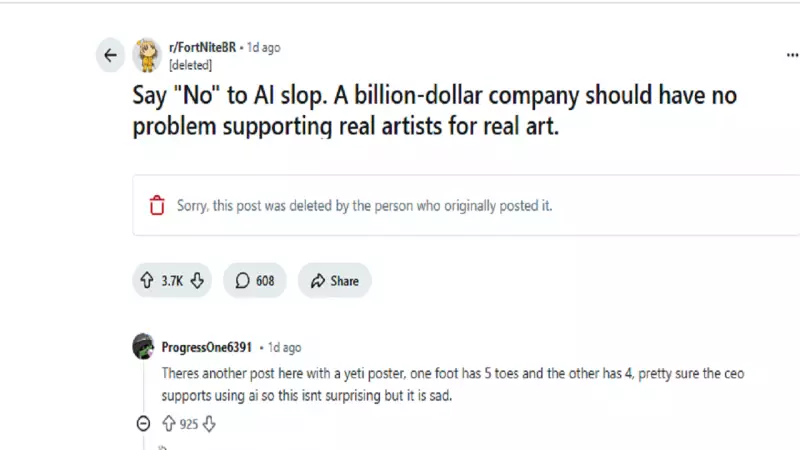
A Reddit user was among the first to highlight this discovery on the game's community forum, setting off a chain reaction of criticism. The poster became the smoking gun for players who have grown increasingly wary of the use of artificial intelligence in creative fields.

Community Backlash: Accusations of 'AI Slop' and Laziness
The response from the Fortnite fanbase was swift and severe. Players took to social media platforms to voice their strong displeasure, accusing developer Epic Games of cutting corners. The sentiment was clear: many view this as a betrayal of the high-quality, human-crafted art style that has been a cornerstone of Fortnite's visual identity and success.
Comments on forums like Reddit ranged from disappointment to outright anger. One user pointed out the irony, stating, "They make all that money and still use AI." Another expressed a broader concern: "It's only a few things for now, but who knows how many of those little posters and sprays could be AI by next season." This fear of a slippery slope, where AI art becomes more prevalent, was a common theme.
Many long-time players felt this move devalued the game. Some comments accused Epic of being "lazy", while others noted the contradiction, as Epic has previously spotlighted human artists by featuring their work as loading screens.
Deeper Concerns: Artistic Integrity and Job Security
The backlash extends beyond a simple dislike for one odd-looking poster. At its core, it touches on two major issues gripping the creative industry:
- Artistic Integrity: Fans argue that Fortnite's charm is built on distinctive, human-made art. The alleged use of "AI slop," as some have termed it, is seen as a compromise on quality and a step away from the game's creative soul.
- Job Security for Artists: The Fortnite ecosystem relies on a constant stream of new skins, cosmetics, and artwork. The community fears that embracing AI tools for final assets threatens the livelihoods of the human artists who have contributed to the game's vast visual library.
This incident highlights a growing tension in the gaming world. While AI can be a powerful tool for references or ideation, its direct use in final, shipped products is becoming a major point of ethical debate. The strong, unified reaction from players sends a clear message: the community expects Epic Games to uphold the high standards they have set.
As of now, Epic Games has not issued an official statement addressing the outcry or confirming whether generative AI was used to create the controversial Yeti poster. The gaming world is now watching closely to see how one of the industry's giants will respond to this challenge concerning creativity and technology.