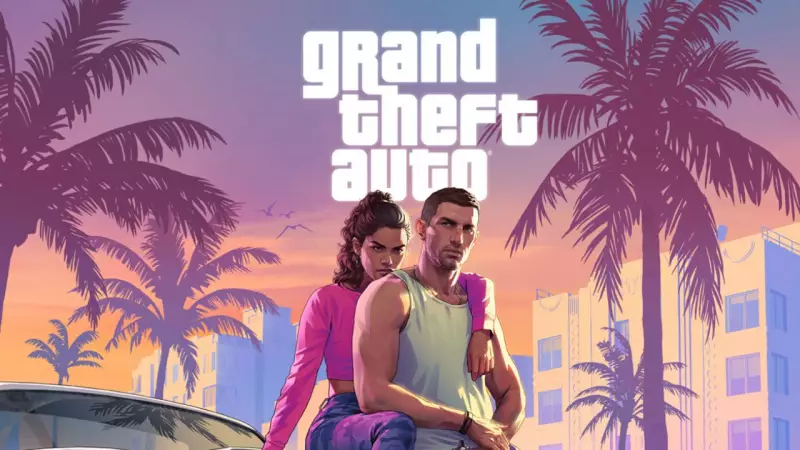
The Grand Theft Auto (GTA) series stands as a titan in the world of video games, a franchise that has fundamentally shaped interactive entertainment. From its humble beginnings as a 2D top-down game in 1997, developed by DMA Design (later Rockstar North), to the sprawling, cinematic worlds of today, GTA has sold nearly half a billion units globally. This journey from a niche title to a cultural phenomenon is a story of relentless innovation, record-breaking commercial success, and an unprecedented grip on the gaming community. The anticipation for the next chapter, GTA VI, now set for a November 2026 release after multiple delays, only underscores its monumental status.
From Record Breaker to Cultural Powerhouse
The commercial performance of the GTA series, particularly its fifth main entry, defies all industry norms. Grand Theft Auto V, launched in 2013, has sold over 200 million units worldwide. Astonishingly, over a decade later, it continues to ship approximately 5 million copies every quarter. In just the last three months of 2024, it sold another 5 million units. Financially, GTA V has generated more than $8 billion in revenue, securing its place as one of the highest-grossing entertainment products of all time, across any medium.
But GTA's influence extends far beyond sales figures. The series played a pivotal role in maturing the gaming industry. According to innovation consultant Scott Steinberg, GTA helped establish that games could be sophisticated artistic statements, not just pastimes for teenage boys. Its satirical take on American culture resonated across music, film, and literature, attracting Hollywood talent like Ray Liotta and Samuel L. Jackson. Its curated radio stations became cultural artefacts, introducing millions to new music. Today, universities analyse GTA as a lens to understand contemporary society and its problems.

The Engine of Innovation: Gameplay, AI, and Living Worlds
The franchise's rise was built on a foundation of groundbreaking technical and design innovations. GTA III's 2001 launch was a watershed moment, birthing the modern open-world genre. It offered a true sandbox where players could ignore missions and simply exist, a stark contrast to the linear, corridor-based games of the era.
Rockstar's ambition was to simulate not just action, but an entire lifestyle. Players could steal cars, but also go to the gym, get haircuts, date, and play sports. GTA San Andreas introduced light RPG elements where the protagonist's appearance changed based on diet and exercise. The technical realism was equally revolutionary. Vehicles sustained detailed, physics-based damage that affected handling, and the AI was remarkably advanced for its time.
Non-playable characters (NPCs) exhibited persistence and memory. They would remember if you wronged them, with reactions escalating from annoyance to hostility. Police AI was sophisticated, employing tactics like calling backup, setting roadblocks, and escalating force. Rockstar created living, breathing cities where thousands of AI characters followed daily routines, traffic flowed organically, and weather systems changed the world's mood and gameplay.
The Online Revolution and a Business Model That Prints Money
The launch of GTA Online in 2013 changed the game forever. Designed as an ever-evolving platform, it has maintained staggering engagement. Following the GTA VI announcement, monthly active users jumped to 31.4 million in December 2023, stabilizing around 25 million through mid-2024. On Twitch, streams averaged 138,000 concurrent viewers in January 2025.
GTA Online perfected a sustainable business model. While all content is unlockable through gameplay, optional Shark Card microtransactions for in-game currency and GTA Plus subscriptions have generated continuous revenue. This "games as a service" blueprint has been widely emulated across the industry. Furthermore, multiple re-releases across seven different platforms have allowed Rockstar to continually expand its customer base.

The franchise's dominance is so absolute that it influences the entire market's release calendar. The November 2026 window for GTA VI has led other major publishers to avoid launching competing titles, a phenomenon often called the "GTA curse." Analysts like Matthew Ball speculate the game could launch at a premium price of $80 or even $100, potentially resetting price standards for AAA games.
GTA VI: The Next Leap Forward
The hype for GTA VI is unprecedented. Its first trailer garnered over 475 million views in under 24 hours. Early projections suggest it could surpass GTA V's revenue, with first-day sales potentially exceeding $1 billion. The game is expected to return to the Vice City setting, rendered with cutting-edge technology for stunning 1980s neon aesthetics and dynamic weather.
Leaps in AI are highly anticipated, with NPCs potentially remembering interactions across play sessions, making relationships and reputations truly matter. Vehicle physics and damage modelling are expected to reach new heights of realism. The online component will likely evolve further, with deeper economic systems, cross-play, and perhaps user-generated content tools. The line between game and lifestyle platform is set to blur even more.
In conclusion, the Grand Theft Auto series succeeded by mastering every dimension: commercial appeal, cultural resonance, technical excellence, and innovative business models. It didn't just become the biggest video game franchise; it redefined what games could be. As the gaming world holds its breath for November 2026, GTA VI is poised to write the next chapter in this unparalleled legacy.