

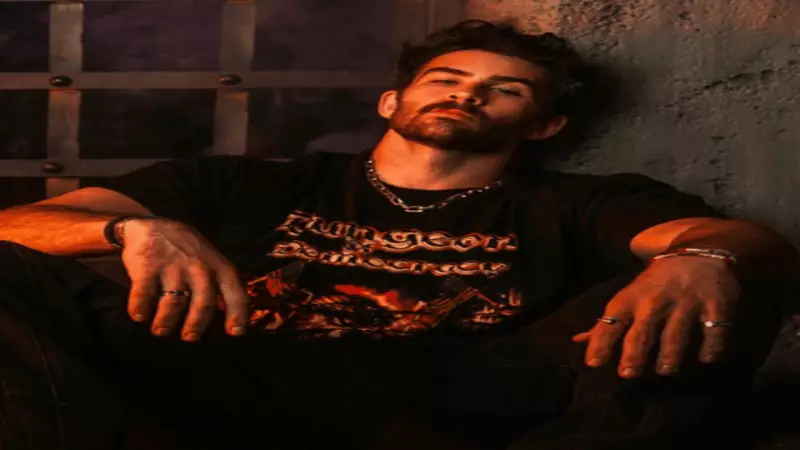
The online persona of Hasan Piker, widely known as HasanAbi, faced a jarring real-world confrontation when his live stream from Ireland was interrupted by a protester. The incident, which occurred on December 3, 2025, saw a masked individual approach the streamer, shout 'Free Kaya', and hold up a printed meme with the same slogan. This public act revived a fierce digital controversy that had been simmering for months, proving that online backlash can spill onto the streets.
The Origin of the 'Free Kaya' Backlash
The slogan 'Free Kaya' first emerged from a viral clip dated October 7, 2025. During a routine Twitch broadcast, viewers saw HasanAbi's dog, Kaya, sleeping in the background. As the dog moved off her bed, she let out a sudden yelp. Simultaneously, Hasan appeared to reach for a small remote or device. Many viewers immediately interpreted this as evidence he had used a shock collar on his pet, triggering widespread outrage across social media platforms.
HasanAbi vehemently denied the allegations. He explained that Kaya had 'clipped her dewclaw' while attempting to get back on the bed and that he was reaching for a different item. He insisted the collar Kaya wore was solely a vibration and tracking device, meant for safety, and that he had never administered a harmful shock. Despite his detailed explanation, a significant portion of the online community remained skeptical, scrutinizing past footage and pointing to details like a blinking light on the dog's collar as potential proof.

From Online Meme to Real-World Protest
The chants in Ireland transformed 'Free Kaya' from a digital meme into a tangible act of protest. The masked protester, who initially asked for a photo, used the moment to directly confront HasanAbi about the allegations in a very public setting. This moment underscored a critical shift: the controversy was no longer confined to comment sections and social media threads but had achieved a palpable, real-life presence.
For critics, the slogan represents more than one isolated incident. It has become a symbol for broader ethical concerns regarding how content creators, especially high-profile streamers with massive audiences, treat their animal companions on camera. Some argue that even without physical punishment, expecting a large breed dog like Kaya to remain still for extended periods during long streams raises questions about animal welfare and the ethics of using pets as passive props for content.
Why the Controversy Continues to Resonate
The enduring power of the 'Free Kaya' movement lies in its simplicity. It encapsulates a demand for accountability and transparency from influential digital creators. The incident touches on ongoing debates about the boundaries of content creation and the responsibility that comes with a vast platform.
Whether one believes HasanAbi's version of events or not, the Ireland protest demonstrated the deep and lasting impact of the controversy. It highlighted how viewer frustration can coalesce into a persistent campaign that follows creators beyond their digital studios. The event serves as a case study in how modern internet scandals are no longer ephemeral but can have sustained, real-world consequences for public figures.






