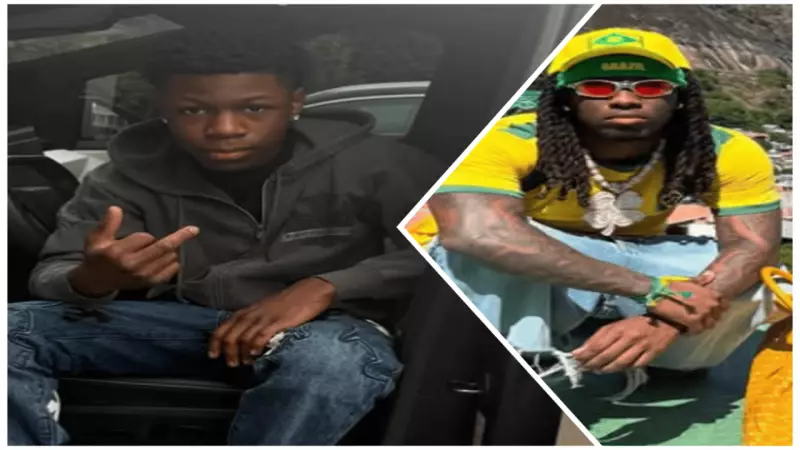
A major controversy has erupted in the online streaming community, centering on popular Twitch streamer Rakai. The uproar began after videos circulated showing Rakai giggling and making jokes in response to a serious, emotional video about mental health struggles posted by fellow streamer and social media influencer Kai Cenat.
The Incident That Ignited the Fire
The controversy stems from a 'Just Chatting' stream where Rakai watched and reacted to Kai Cenat's video. In a rare and vulnerable move, Kai released the video on his 24th birthday, breaking from his usual high-energy celebrations. He opened up to his audience about battling burnout, fear, self-doubt, and intense pressure for several months while chasing bigger dreams.
Rakai's response, however, was starkly different. While viewing the heartfelt message, he joked, "Kai watched anime one time, now you got mental health problems." He further mocked the situation by stating, "You don't know what mental health is," which prompted laughter from his live chat. The tone of his reaction clearly signaled to viewers that he was dismissing the gravity of Kai's message.

Accusations of AI and Growing Backlash
Adding fuel to the fire, Rakai implied that Kai Cenat's genuine communication might have been scripted by artificial intelligence, claiming he "can tell AI when I see AI." Clips from this stream quickly went viral on platforms like X, Reddit, and Instagram, leading to a swift and severe backlash.
Viewers and fans across the internet condemned Rakai, labeling him as insensitive and accusing him of completely disregarding the importance of mental health topics. Many praised Kai's video for its authenticity and departure from typical performative content. This incident also resurfaces past complaints about Rakai's behavior, including the previously discussed Walmart flowers incident.
A Broader Debate on Streaming Culture
The fallout from this event has sparked a wider, crucial conversation within the digital content creation space. Key issues now under the microscope include:
- The need for accountability and responsible behavior from streamers with massive followings.
- How creators should sensitively handle serious topics like mental health when broadcasting live.
- The boundaries of humor and the ethical implications of mocking personal struggles in a public forum.
While some have defended Rakai, arguing his comments were taken out of context and meant as a simple joke, the overwhelming criticism highlights a growing demand for empathy. This situation stands as the latest flashpoint in the ongoing debate about the role of compassion and maturity in live streaming entertainment.