A journey into a dark cave in northern Italy nearly 14,400 years ago has provided archaeologists with an exceptionally detailed glimpse into how prehistoric ancestors navigated the underworld long before modern lighting. A small group of Epigravettian hunter-gatherers, accompanied by a canid, likely lit their way into the depths of Bàsura Cave in present-day Liguria, northwest Italy, using nothing more than a simple torch of pine twigs, according to a recent study published in Quaternary International.
Snapshot of Prehistoric Exploration
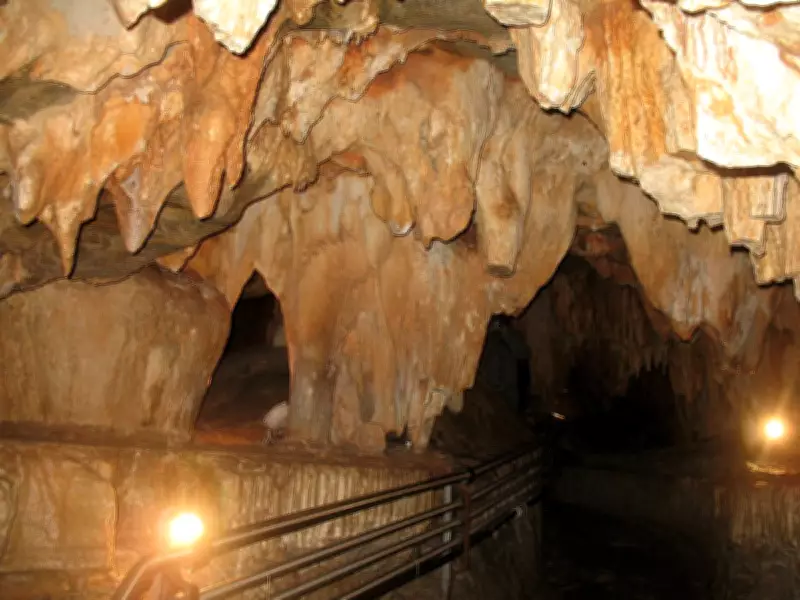
Bàsura Cave in Toirano, Northern Italy, has intrigued researchers for decades as an unparalleled archive of human activity from the end of the last Ice Age. The cave preserves human footprints, finger marks, charcoal imprints, and evidence of an accompanying canid. Initially attributed to Neanderthals, radiocarbon dating later revealed they were created during the Epigravettian period, nearly 14,400 years ago. The cave system extends roughly 800 meters, including a chamber named the "Hall of Mysteries" where many footprints and charcoal traces have been documented.
Clues Within Pollen and Charcoal
To understand how these prehistoric explorers navigated the treacherous environment, researchers analyzed sediments from excavations within the Hall of Mysteries. Pollen analyses indicate that the Ice Age flora surrounding Bàsura Cave consisted predominantly of open-steppe with intermittent woodlands of pine trees, including typical cold and dry vegetation such as Artemisia. The team also examined 56 charcoal fragments, over half of which were identified as Scots pine or closely related species. Most fragments came from small branches rather than large timber, suggesting that smaller twig torches were used.

Reconstructing an Ice Age Cave Exploration
To test their theory, researchers conducted experimental trials in a nearby cave with similar environmental conditions. Using dried Scots pine twigs of comparable dimensions to those found in the archaeological record, they modeled a journey of five individuals, matching the number inferred from footprints. They found that two burning pine twigs at a time were sufficient to guide the group moving in single file. Once eyes adjusted to darkness, visibility extended to about ten meters. The smoke produced was negligible, and small torches created less intense glare, making them more suitable for underground travel. Placing one torch at the front and another at the rear provided effective illumination. The individuals moved together, holding onto each other's shoulders to navigate narrow paths.
Fuel Requirements for a Two-Hour Journey
The team estimated fuel needs based on experimental data. Each burning pine torch decreased in length by roughly four centimeters per minute. For a return trip from the cave entrance to the Hall of Mysteries, about 20 pine twigs, each measuring around 30 centimeters, would have been required. The journey likely took around two hours. Crucially, the experimental charcoal patterns closely mirrored those found in Bàsura Cave, and the small fragments collected beneath imprinted marks matched the archaeological evidence.
Children, a Canid, and a Hostile Underworld
Footprints indicate that both adults and children entered the cave together. Tracks also show that a canid accompanied the group, though its role remains uncertain. The cave preserves substantial evidence of cave bears, including exceptionally preserved traces of their fur. These findings add layers to the detailed exploration that occurred at Bàsura Cave more than 14,000 years ago, illustrating how much could have been lost if the footprints had never been found. For archaeologists, these traces illuminate not only the cave itself but also the ingenuity and adaptability of the people who once explored it.